
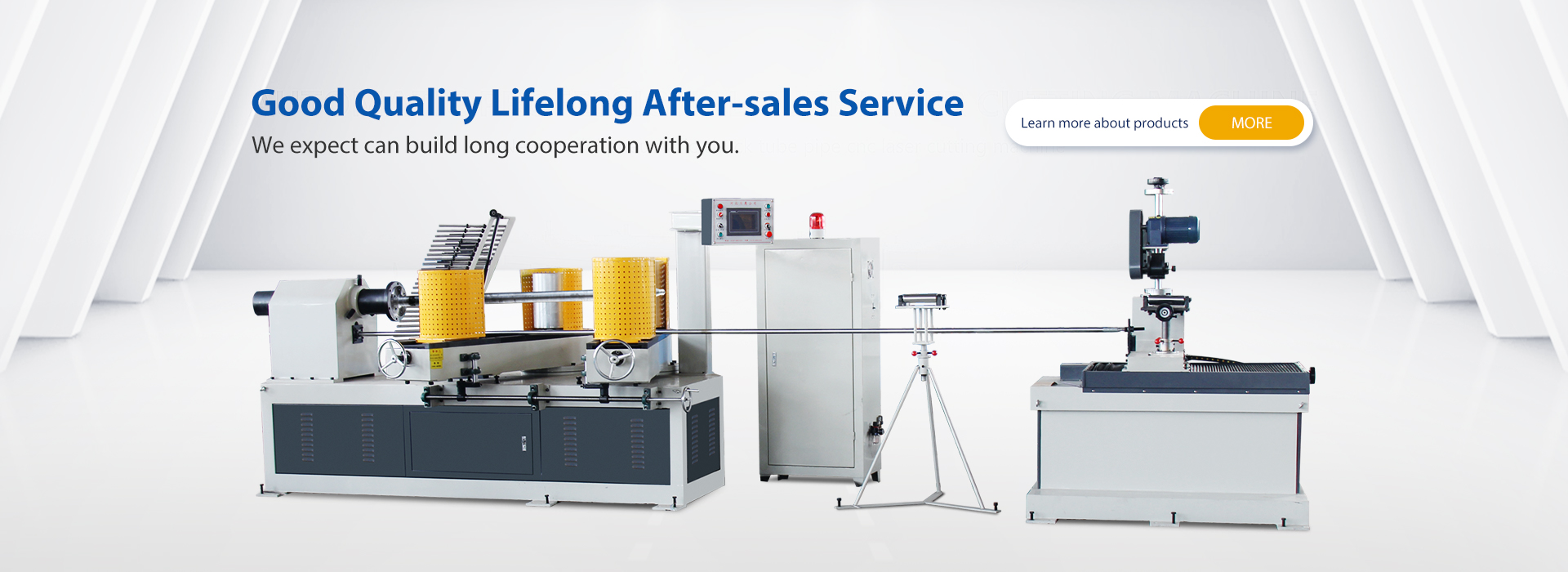
A automatic paper angle board machine is an automated production line that converts paper rolls into V-shaped, L-shaped or U-shaped protective profiles. The core principle is simple: multiple plies of kraft paper are glued, layered and formed under heat and pressure, then cut to length and creased into an angle. What separates a multi-function model from a single-purpose unit is the ability to change profile, thickness, ply count and length without rebuilding the machine. One line can therefore supply 100 g lightweight corner strips for cosmetics cartons in the morning and 5 mm heavy-duty angle boards for industrial machinery in the afternoon. This flexibility is the single biggest reason packaging operations now specify multi-function equipment rather than dedicated lines — the market no longer rewards a plant that can only make one product well.
Why the Packaging Industry Is Moving to Paper Edge Protectors
Three forces are pushing buyers toward paper-based edge protection. First, regulation: EU packaging waste rules, extended producer responsibility fees and retailer sustainability scorecards all penalise single-use plastics, and paper angle boards enter the standard waste-paper stream with no separation step. Second, cost: recycled kraft paper is one of the most stable commodity inputs available, and in-house production removes the margin, freight and minimum order quantity attached to bought-in protectors. Third, performance: modern multi-ply paper profiles deliver edge crush resistance comparable to plastic and wood while weighing far less, which directly reduces dimensional-weight charges in parcel networks. When you calculate landed cost per pallet rather than unit price per piece, a paper edge protector making machine typically breaks even inside twelve to eighteen months of two-shift operation.
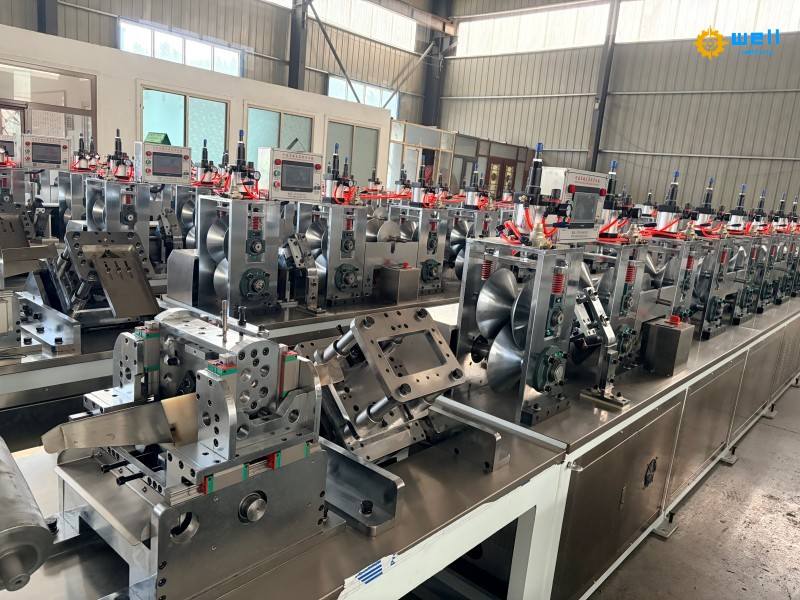
How the Machine Works: From Roll to Finished Protector
The process runs in six controlled stages.
1. Unwinding. Two to eight paper rolls are mounted on shaftless or shafted stands with tension control, so plies of different grammage can be combined without web flutter.
2. Gluing. A starch-based or water-based adhesive is applied between plies. Glue quantity is servo-metered, which matters because excess adhesive makes the board brittle while too little creates delamination at the crease.
3. Forming and pressing. The glued web passes through heated forming rollers or a calender section where pressure and temperature bond the plies into a dense, uniform board.
4. Creasing and shaping. Rotary dies or adjustable forming shoes fold the board into the target angle — 90 degrees for standard corner protection, tighter or asymmetric angles for specialist profiles.
5. Cutting. A servo-driven flying knife or guillotine cuts to preset length at line speed, with tolerance typically held within ±1 mm.
6. Stacking and counting. Automatic stackers count, bundle and discharge finished protectors, ready for wrapping or direct pallet loading.
A single operator supervises the whole line from an HMI touchscreen, changing recipes by product code rather than by mechanical adjustment.
What “Multi-function” Actually Delivers
Marketing language is loose in this category, so it pays to look at concrete capabilities. A genuinely multi-function Paper edge protector making machine should offer:
- Adjustable ply configuration — 3 to 10 plies, allowing thickness from 1.5 mm to 8 mm on the same frame.
- Interchangeable forming tooling — V, L, U and custom angle profiles swapped in under thirty minutes.
- Variable width capability — edge widths from 30 mm to 120 mm, covering light carton protection through to heavy equipment crating.
- Dual adhesive systems — starch for cost-sensitive volume runs, water-based polymer for moisture-resistant or food-adjacent applications.
- Optional perforating and printing units — perforated boards tear cleanly for wrapping, while flexographic printing adds branding, handling icons or barcode traceability directly on the protector.
- In-line lamination — the ability to bond a water-resistant or reinforced facing ply for humid or long-ocean-transit consignments.
Every one of these options is a revenue stream. A line with printing and perforating can serve e-commerce customers who want branded unboxing, while the same machine supplies plain industrial boards at commodity margins.
Technical Specifications That Matter
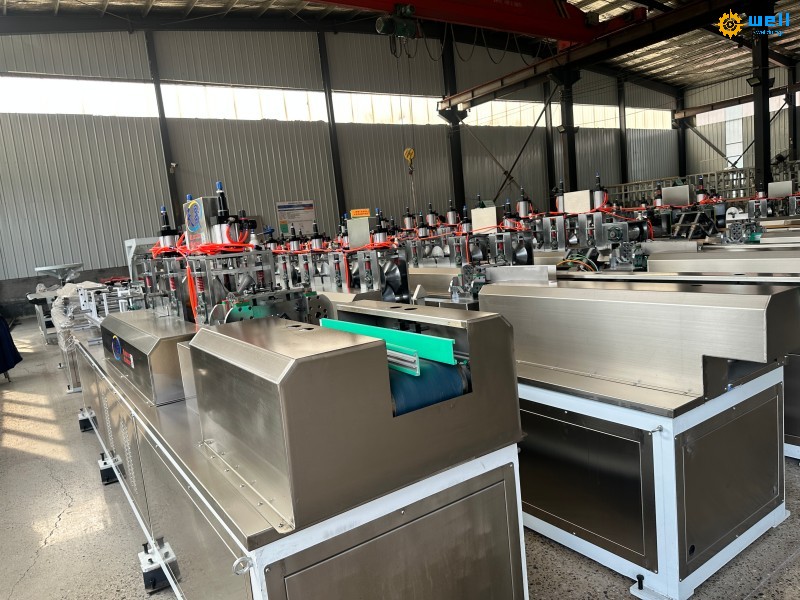
When comparing quotations, insist on verifiable numbers rather than brochure ranges. Production speed for mainstream models sits between 60 and 200 meters per minute; a practical figure for a 90-degree, four-ply, 50 mm board is roughly 1200 to 2500 pieces per hour. Installed power typically falls between 25 kW and 75 kW depending on heating method — electric cartridge heating is common, while thermal-oil or induction-heated rollers reduce running cost on high-volume lines. Paper grammage capacity usually spans 100 to 250 gsm per ply, and roll diameter capacity of 1200 mm or more cuts rewinding frequency. Air consumption, floor footprint (often 18 to 30 meters of line length), and noise level at the operator position are equally worth confirming in writing. Finally, ask for the tolerance on cut length accuracy, the guaranteed crease angle repeatability, and the measured edge crush test value of a sample board — those three figures tell you more about build quality than any feature list.
Return on Investment: The Numbers Buyers Should Model
Do the arithmetic before the negotiation. Take a mid-size converter producing 4000 pallets a month, each needing four corner protectors of 1.8 meters. That is roughly 32,000 meters of edge protection per month. Purchased at typical distributor pricing, that spend may run well into five figures monthly. Produced in-house on a multi-function line, the same output consumes recycled kraft paper plus adhesive and power, with material cost often a fraction of the purchase price. Add the eliminated inbound freight, the reduced inventory of six or seven purchased SKUs, and the ability to sell surplus protectors to regional converters as a new revenue line, and most operators see payback within one to two years. The second machine usually pays back faster, because the customer base and the sales channel already exist.
Applications Across the Packaging Value Chain
Paper edge protectors are not a single-industry product, and the machine’s flexibility lets one plant serve many. Furniture and flat-pack manufacturers use long angle boards to stop frame damage in transit. Appliance makers protect cabinet corners and control panels. Building-material suppliers wrap stone slabs, glass and panel goods. Exporters of machinery and steel sections rely on heavy multi-ply boards combined with strapping. E-commerce fulfilment centres use short, perforated strips as a low-cost void-fill and edge shield. Printers and paper mills protect reams, rolls and board stacks. Food and pharmaceutical logistics favour starch-adhesive boards for clean, odour-free, recyclable protection. A multi-function paper edge protector making machine effectively lets a converter hold stock in the form of paper rolls rather than in finished SKUs — a working-capital advantage that finance teams appreciate as much as the operations team.
A Practical Buying Checklist
Before signing, verify seven things. First, run your own paper on a demonstration machine, not the factory’s premium stock. Second, request a video of a tooling changeover, timed with a stopwatch. Third, inspect the forming roller quality and the straightness of the finished board by eye and by measurement. Fourth, confirm which components are branded — servo drives, PLC, bearings, pneumatic valves — because generic substitutes drive the real maintenance cost. Fifth, check spare-parts availability and the lead time in writing, along with a recommended first-year spares kit. Sixth, ask for the electrical standard you need and whether the control system supports your language and voltage. Seventh, visit or video-call an existing customer running the same model in a comparable application. Sellers who welcome all seven are usually the ones worth buying from.
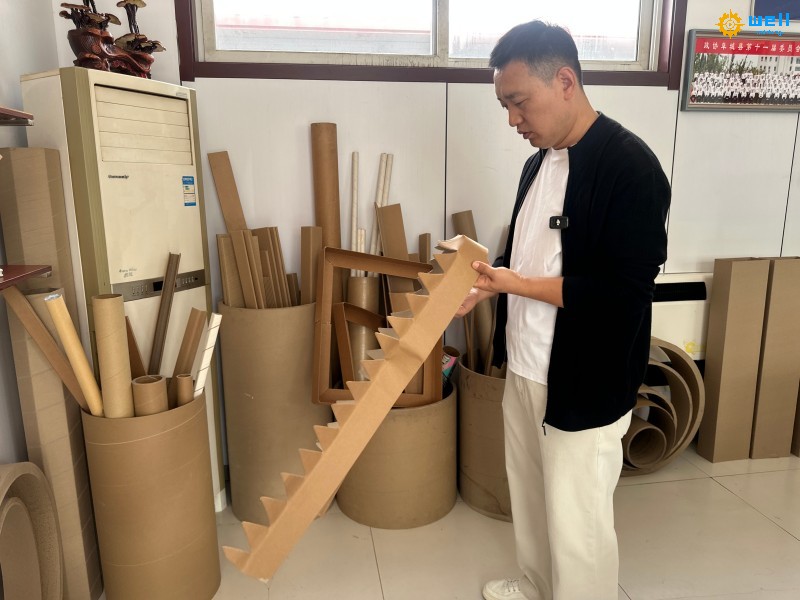
Installation, Training and Lifetime Support
A production line is only as good as its commissioning. Reputable suppliers provide layout drawings, foundation and utility requirements ahead of shipment, remote or on-site installation supervision, and operator training covering recipe setup, adhesive control, tooling changeover and daily maintenance. Ask about remote diagnostics capability — modern PLCs allow engineers to read fault logs and adjust parameters without a flight — and confirm the warranty terms separately for mechanical, electrical and wear parts. Consumable wear items such as creasing dies and cutting blades should be priced transparently at the outset, because that is where hidden operating cost accumulates.
Frequently Asked Questions
What paper grades can the machine run? Most lines accept recycled kraft, test liner and fluting medium from 100 to 250 gsm per ply. Higher grammage increases board strength but slows the line, so confirm the speed rating at your target grammage.
Can one machine make different angles? Yes, provided the forming section is tooled for changeover. Confirm the number of profiles included and the price of additional die sets.
How much floor space is required? Plan for 18 to 30 meters of line length plus roll storage and finished-goods staging; compact models exist but sacrifice speed and ply range.
Is the finished protector recyclable? With starch adhesive it enters standard waste-paper recycling without issue, which is the main compliance argument for switching from plastic.
What is the typical lead time? Standard configurations usually ship in 45 to 75 days; custom tooling and printing units extend that.
Conclusion
Edge protection is a small line item on a packing list and a large line item on a damage claim. A multi-function automatic paper angle board machine converts that cost centre into a controllable, recyclable, in-house production capability — one that adapts to whatever profile the order book demands next week. The buyers who get the most from this equipment are not the ones who chase the lowest quotation, but the ones who specify ply range, tooling flexibility, component quality and support terms with the same rigour as they apply to their main converting assets. Define your product mix, run your own paper, model the payback, and the decision becomes straightforward.
Email:cartonmachine.tomwang@aliyun.com
Phone/Wechat/Whatsapp:+86 133 0307 8975
Post time: Nov-16-2026