
For flexo printing, packaging printing, label printing and corrugated printing plants, ink wastewater is one of the most persistent operational headaches. Every day, cleaning anilox rollers, printing plates, ink trays and pipelines generates large volumes of wastewater loaded with pigments, resin binders, surfactants, organic solvents and suspended solids. This contaminated effluent carries high COD, strong color and stable colloidal pollutants that simple sedimentation cannot remove. Without reliable purification, printing factories face failed discharge inspections, heavy regulatory fines, suspended production and rising costs for off-site hazardous waste hauling. A professional ink wastewater treatment machine solves these pain points, helping printing workshops hit local and international discharge limits while unlocking stable water reuse for daily production.
Many printing business owners search online for ink waste water treatment machine, printing ink sewage treatment system, flexo ink wastewater recycling equipment and compliance wastewater solution for print shops. They are not only looking for a machine to clean dirty water; they want a stable, low-maintenance system that keeps their facility compliant, cuts water bills and supports green factory certification. Unlike generic sewage equipment designed for domestic sewage, the ink wastewater treatment machine is purpose-built for the special traits of printing effluent. It handles both water-based ink wastewater and mixed solvent ink wash water, which is the most common requirement for modern packaging printing lines.
So why is ink wastewater so hard to treat? Ink pigments form tiny colloidal particles that stay suspended in water and resist natural settling. Surfactants added to water-based inks further stabilize these particles, making decolorization difficult. Raw ink wastewater often shows high COD, high chroma and low biodegradability. If discharged directly, it pollutes rivers and municipal sewer networks, damages public sewage facilities and triggers strict penalties from environmental authorities. Traditional outsourcing treatment seems easy at first, yet it brings hidden risks: unstable pickup schedules, soaring transportation fees and third-party treatment quality that you cannot control. Once the outsourced discharge fails testing, the printing factory still bears full legal responsibility. This is why more and more mid-sized and large printing plants install on-site ink waste water treatment machine.
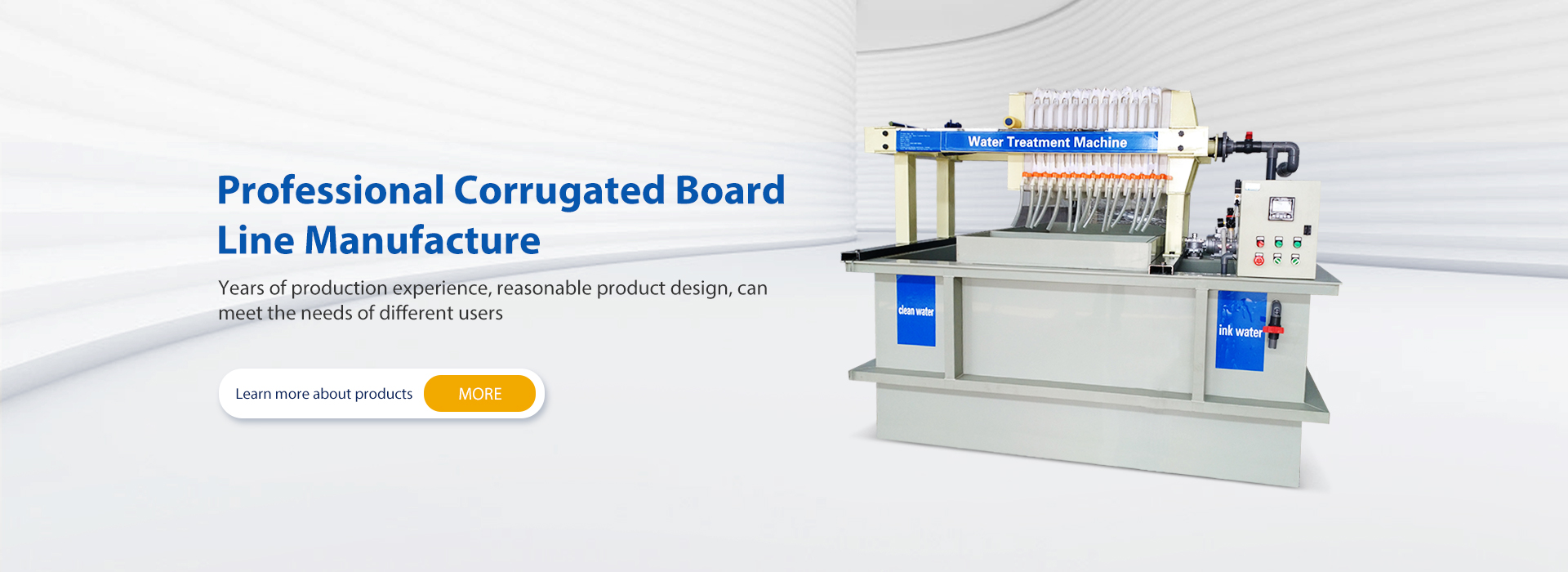
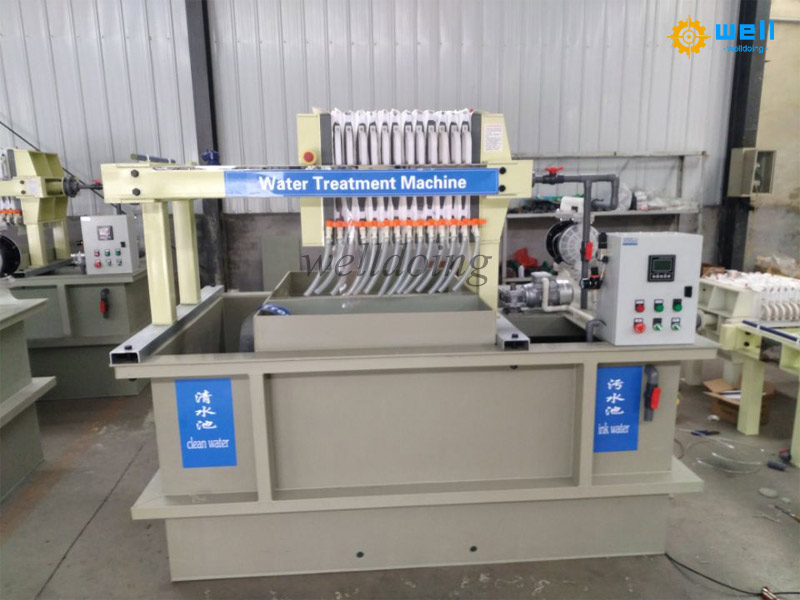
A standard integrated ink wastewater treatment machine runs a multi-stage combined process of physical-chemical purification and advanced filtration. The workflow starts with collection and pre-filtration. Waste wash water flows into a buffer tank, where coarse screen filters remove ink residues, paper scraps and large solid debris to protect pumps and downstream units from clogging. Next comes pH adjustment and automatic coagulation-flocculation. The PLC-controlled dosing system adds matched coagulants and flocculants to break ink colloid structures, neutralize particle charges and gather pigment pollutants into dense flocs. After that, dissolved air flotation separates ink sludge from clear water rapidly. Most suspended solids and color are removed in this stage, cutting COD significantly.
The pre-treated water then enters advanced purification. Depending on reuse requirements, the system can add biochemical tanks, activated carbon adsorption or ultrafiltration membrane modules. Sludge generated during flotation and flocculation is pumped into a sludge dewatering unit. After dewatering, solid ink sludge becomes compact filter cakes for safe disposal, while separated liquid returns to the treatment loop. If your target is water reuse for plate washing, roller cleaning or floor washing in the printing workshop, the machine can be equipped with RO membrane modules to polish effluent to stable reuse quality. The whole ink wastewater treatment machine runs automatically, with online sensors monitoring pH, turbidity and water quality. Operators only need simple routine checks instead of full-time manual dosing and adjustment.
The biggest value of this Ink print sewage treatment machine is reliable compliance with discharge standards. Different countries and regions set clear limits on COD, SS, chroma, pH and ammonia nitrogen for industrial printing effluent. A correctly sized ink wastewater treatment machine delivers steady effluent that meets sewer discharge standards or surface water release standards. Factories with consistent qualified discharge records avoid sudden production shutdowns, environmental penalties and negative brand impact. For exporters supplying food packaging, cosmetic boxes and branded labels, stable wastewater compliance also helps pass customer audits, BSCI, SEDEX and other sustainability assessments. Buyers now regularly check environmental records before confirming long-term printing orders, making wastewater treatment capacity a competitive advantage.
Water reuse is another core benefit that quickly improves your bottom line. Printing factories consume large amounts of fresh water for equipment cleaning. After purification by the ink wastewater treatment machine, treated water can circulate back for washing printing plates, anilox rolls, ink tanks and workshop cleaning. For many flexo and carton printing plants, the water reuse rate can reach 60% to 85%. This directly reduces fresh water intake and lowers monthly water utility costs. It also cuts the total volume of final discharged effluent, easing the load on your discharge permit quota. In regions with tight water resource controls, this recycling function is critical for expanding printing production capacity without hitting water consumption caps.
Business owners often worry about operational barriers: complicated operation, high chemical consumption, frequent membrane fouling and large floor space. Modern modular ink wastewater treatment machine addresses these concerns. Compact skid-mounted designs save workshop space, easy to install inside existing print shops without major civil construction. The intelligent PLC touchscreen interface stores preset treatment formulas for water-based ink, solvent ink and mixed wastewater. When ink types change during production shifts, operators can switch formulas with one click. Optimized dosing control reduces chemical waste, and automatic backwash cycles extend membrane service life. Compared with large concrete wastewater pools, the integrated machine is easier to relocate if you move or expand your printing factory. It also supports phased capacity expansion: you can start with a small flow machine for a single printing line and add modules later when you add presses.
Selecting the right ink waste water treatment machine depends on your actual working conditions. Key parameters include daily wastewater volume, ink type (water-based flexo ink, gravure ink, UV ink), required reuse purpose and local discharge standard limits. A supplier should test your raw ink wastewater sample first, customize the process layout and provide clear performance guarantees on COD removal, decolorization effect and stable reuse water quality. Avoid over-simplified single-filter devices; these cheap units cannot remove dissolved organic pollutants and will fail compliance tests after short use. A qualified ink wastewater treatment solution includes the main machine, dosing system, sludge dewatering parts, online water quality monitoring and after-sales service including spare parts supply and remote troubleshooting.
Sustainability is no longer optional for the printing industry. Brand customers, regulators and the public keep raising expectations for low-carbon, clean packaging manufacturing. Installing an ink wastewater treatment machine turns wastewater from a compliance liability into a recyclable resource. You reduce hazardous waste output, shrink your carbon footprint and build a green production image. When you show auditors and clients your on-site wastewater recycling system and stable water quality reports, you stand out from competitors that still rely on risky third-party waste hauling.
In summary, an flexo ink printing wastewater treatment machine is a practical, high-return investment for every printing factory struggling with ink wash water. It reliably removes pigments, suspended solids and organic pollutants, keeps your effluent within legal discharge limits and enables continuous water recycling for printing production. It cuts wastewater disposal costs, stabilizes production schedules, supports customer audit requirements and pushes your printing plant toward sustainable circular manufacturing. If your printing shop still faces unstable wastewater quality, expensive sludge disposal or worries about environmental inspections, an engineered ink waste water treatment machine is the targeted solution you need. Contact us to share your daily water volume and ink types, and get a customized quotation and process drawing for your printing wastewater recycling system.
Email:cartonmachine.tomwang@aliyun.com
Phone/Wechat/Whatsapp:+86 133 0307 8975
Post time: Nov-26-2026