

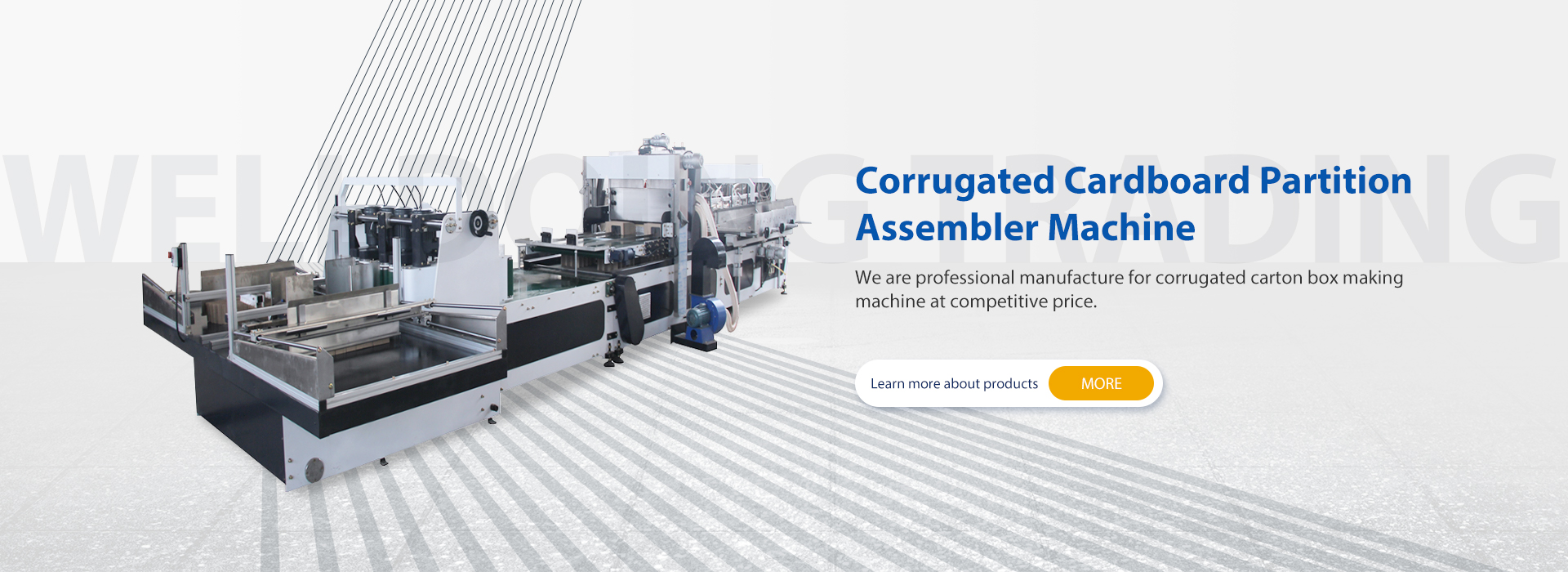
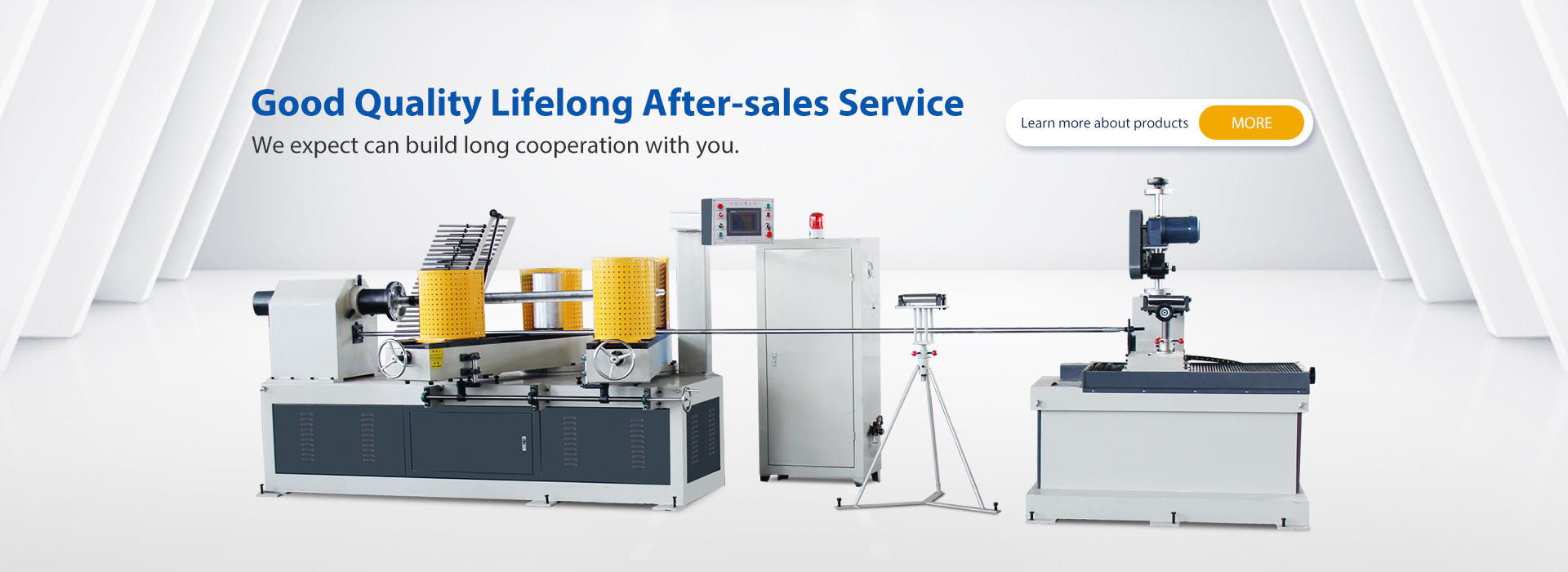
The parameter setting of high-speed cardboard printing die cutting slotting machine is a systematic and refined process, which directly determines the printing quality, production efficiency, and equipment stability. The core logic is to scientifically adjust the parameters of each unit based on the paper characteristics, layout design, and equipment status of the order to achieve optimal matching.
Basic parameter preset
Order information confirmation
Paper type and weight: corrugated cardboard (A/B/C/E corrugated, etc.), number of layers, moisture content. Different materials require different pressures and feed speeds.
Printing layout analysis: color quantity, whether it is full/large area solid, fine lines/small text, and requirements for printing accuracy.
Global parameter settings for equipment
Production speed: Set according to order difficulty, paper strength, and drying capacity. The general principle is to start debugging from low speed (such as 5000 sheets/hour) and gradually increase speed after stabilization.
Phase synchronization: Ensure strict synchronization of the transmission phase of each printing unit and slotting/die-cutting unit, which is the basis of alignment.
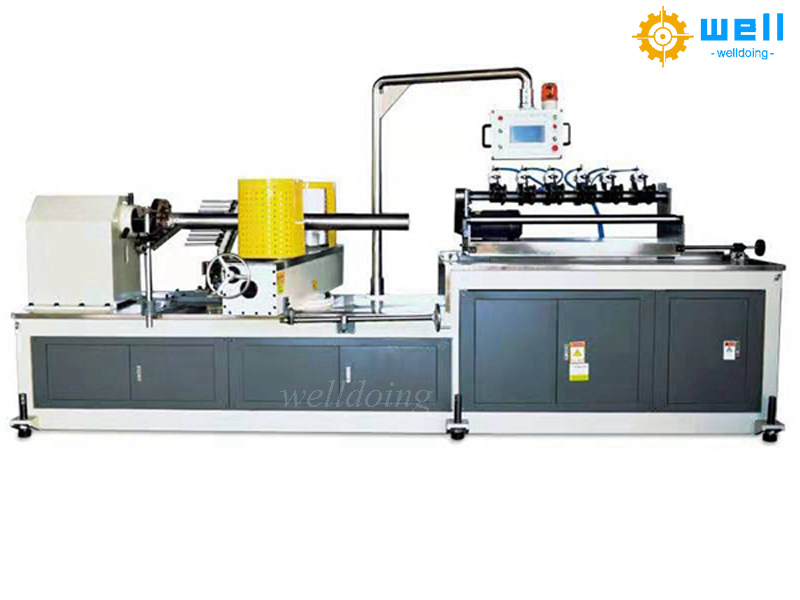
Detailed explanation of core unit parameter settings for 4 color flexo printer slotter die cutter machine
1. Paper feeding unit
Front edge feeding gap: Adjust the gap between the paper feeding wheel and the cardboard tray, usually set to “cardboard thickness -0.3~0.5mm”, to ensure that only one cardboard is fed at a time and prevent double sheets or paper jams.
Suction/blowing pressure: Adjust according to the flatness of the cardboard to ensure smooth separation and transportation of the cardboard.
Side panel and rear panel: Accurately locate the initial position of the cardboard to reduce deviation.
2. Printing unit (core within the core)
Printing pressure:
Mesh roller → plate roller pressure: Contact with light pressure to ensure even ink transfer. Excessive pressure can cause wear on the printing plate and mesh roller.
Plate roller → impression roller pressure: determines the final printing effect. The basic principle is’ minimum necessary pressure ‘. The pressure setting is “cardboard thickness+(0.1~0.3mm)”, which needs to be adjusted according to the actual situation or line draft. Excessive pressure can lead to network expansion and cardboard crushing; If it is too light, the printing will be inaccurate.
Ink Road System:
The selection of the number of lines on the mesh roller: This is the key to determining the ink volume. High thread count (such as 150 threads or more) is used for fine mesh points; Low line numbers (such as below 80 lines) are used for large-scale field applications. Match based on the graphic and textual features of the layout.
Ink fountain gap and scraper pressure: Control the amount of ink supplied to the web roller. Maintain a stable and uniform ink film.
Ink viscosity: Use a viscosity cup (such as DIN No. 4 cup) to regularly test and adjust. The viscosity is generally controlled between 15-25 seconds. Too high viscosity affects fluidity, while too low viscosity leads to unsaturated color and easy emulsification.
Registration system:
By using the computer registration system (CPC) on the control panel, precise color registration can be achieved by fine-tuning the “circumferential” and “axial” directions of the printing plate cylinders for each color group. Usually, subsequent alignment is based on the first color.
3. Slotting/die-cutting unit of the corrugated carton printing slotting die cutting machine
Pressure adjustment:
Slotting pressure: It is best to cut the surface paper just clean and slightly press it into the corrugated core paper to avoid cutting through the inner paper or tearing the edges due to insufficient pressure.
Die cutting pressure: It needs to be accurately calculated based on the height of the die and the thickness of the cardboard. The pressure should make the blade just cut through the cardboard, while the mold line indentation is clear. It is necessary to conduct an “indentation test” using pressure test paper or stepwise pressure method to find the optimal pressure point.
Phase and size: Based on the size of the cardboard box, accurately set the relative positions of each slotting knife and die-cutting plate.
4. Waste cleaning and stacking units
Waste removal wind speed and suction: Adjust to effectively remove waste edges without affecting the transportation of finished cardboard boxes.
Stacking Count and Stacking Height: Set the number of sheets per stack to ensure smooth paper delivery and avoid collapsing or scratching the printing surface.
If you are also interested in this machine,please don’t hesitate to contact us:
Overseas manager: Tom Wang
Email:cartonmachine.tomwang@aliyun.com
Phone/Wechat/Whatsapp:+86 13303078975
Post time: Jan-27-2026