
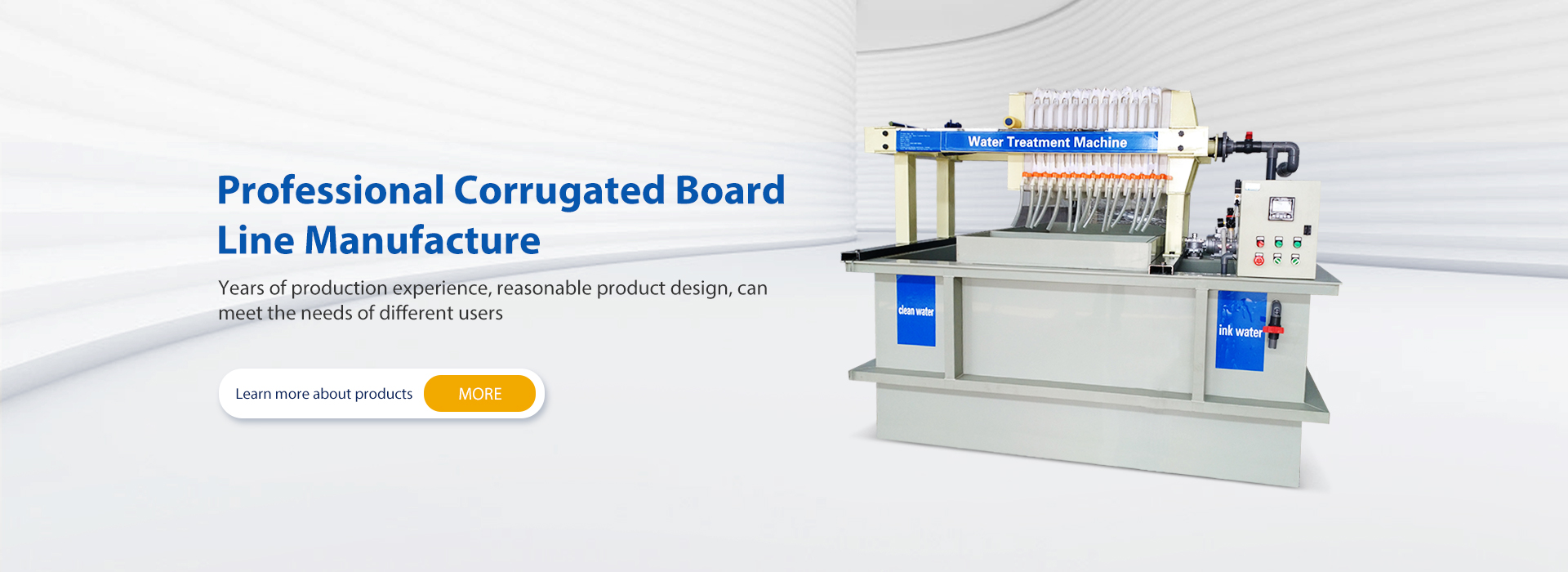
Textile printing and dyeing Sewage treatment machine is a core environmental protection system specially developed for textile mills, fabric printing factories, dyeing workshops and garment finishing lines to handle complex printing and dyeing effluent. If you are looking for reliable textile printing and dyeing wastewater treatment equipment with stable color removal, COD reduction, low running cost and water recycling function, our integrated effluent treatment plant (ETP) will be your ideal solution for textile wastewater compliance and water reuse.
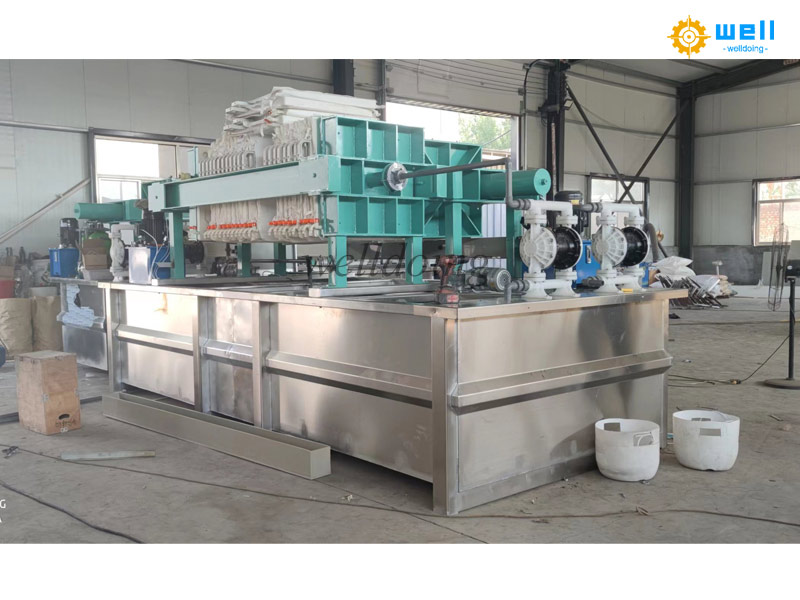
Printing and dyeing wastewater is one of the most difficult industrial sewage to treat. It comes from desizing, scouring, bleaching, printing, dyeing, washing and finishing processes in textile production. This kind of sewage features high chroma, high COD, unstable pH value, poor biodegradability, a large amount of suspended solids, residual reactive dyes, disperse dyes, sizing agents and auxiliaries. Direct discharge without treatment will cause serious water pollution, and textile manufacturers will face strict environmental fines and production shutdown risks in many countries and regions. Traditional simple sewage treatment machines often fail to remove stubborn dye color and reduce COD stably, especially when the water quality and water flow change frequently during peak production. Our textile printing and dyeing wastewater treatment equipment adopts a combined process of physicochemical pretreatment, anaerobic-aerobic biological treatment, advanced oxidation and membrane filtration, which can adapt to fluctuating sewage quality of textile mills and keep effluent indicators steadily meeting local discharge standards or reaching the standard for production water reuse.
Our textile printing and dyeing sewage treatment machine supports customized capacity from 5m³/d to 5000m³/d, covering small printing workshops, medium-sized dyeing mills and large integrated textile production bases. The whole set of wastewater treatment equipment is modular and skid-mounted. Customers can choose a compact packaged unit for limited workshop space or an on-site assembled civil engineering type for large flow projects. The standard process flow includes: grille and regulating tank → pH neutralization → coagulation and flocculation → dissolved air flotation (DAF) → anaerobic hydrolysis tank → A/O biological tank → sedimentation tank → advanced oxidation decolorization → MBR/UF membrane system → RO reuse system (optional). Each unit is matched according to the actual sewage test report of the textile mill, avoiding over-design and saving investment and operating cost. The DAF air flotation unit quickly removes floating dyes, fiber scraps and flocculated suspended matter; the anaerobic tank decomposes refractory macromolecular organics into biodegradable small molecules and improves the B/C ratio; the aerobic tank further degrades BOD and COD; advanced oxidation breaks the chromophoric groups of dyes to achieve deep decolorization; the MBR membrane module intercepts activated sludge and fine particles, greatly improving the stability of outlet water quality compared with the traditional secondary sedimentation process. If your textile mill plans to save water cost and pursue zero liquid discharge (ZLD), we can add ultrafiltration and reverse osmosis reuse modules to recycle treated clean water back to printing, dyeing and washing procedures, cutting freshwater consumption and sewage discharge fees significantly.
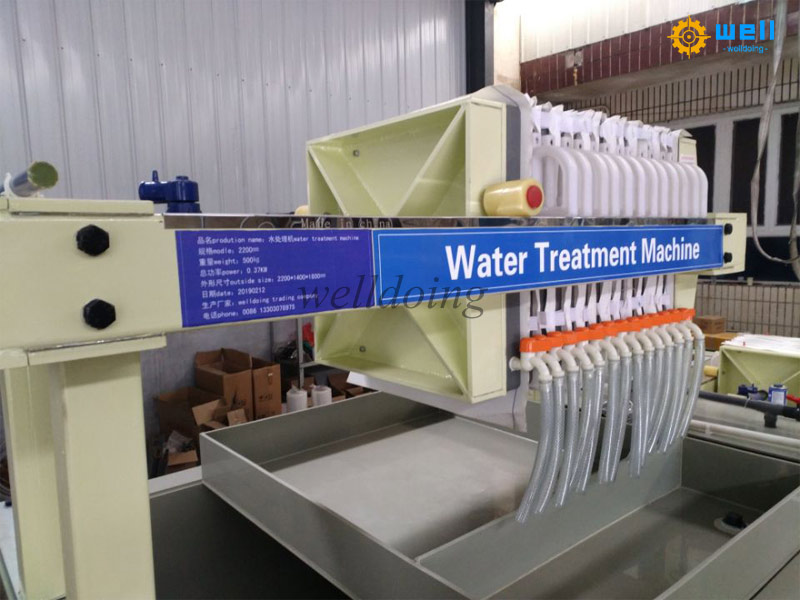
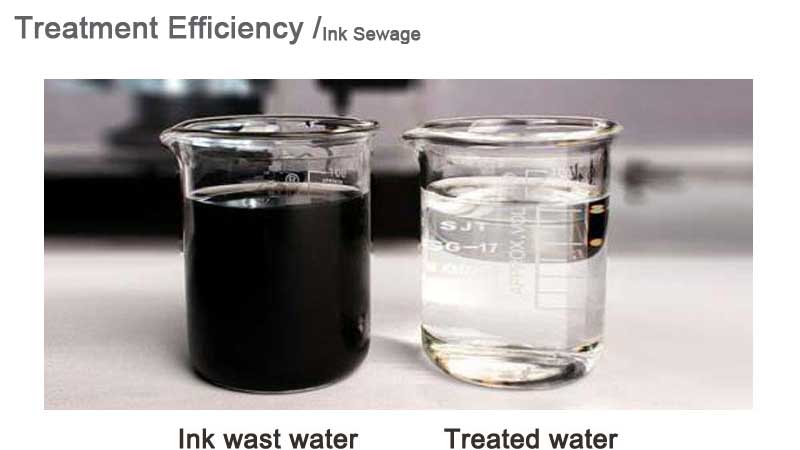
Compared with ordinary wastewater treatment machine on the market, our printing & dyeing wastewater treatment equipment for textile mill has obvious advantages targeted at textile industry pain points. First of all, the decolorization performance is outstanding. For reactive dye, vat dye and disperse dye wastewater commonly seen in textile printing and dyeing, the integrated physicochemical and oxidation system can achieve more than 95% color removal rate, avoiding the problem of residual pale color in the final effluent that troubles many textile factories. Secondly, the anti-fouling design is optimized for dye sewage. We adopt reinforced PVDF hollow fiber membranes with strong pollution resistance, and the automatic backwashing and chemical cleaning system reduces membrane replacement frequency and maintenance workload. Thirdly, the operation is intelligent and labor-saving. The equipment is equipped with an automatic control cabinet, which can realize automatic dosing, aeration adjustment, liquid level linkage and abnormal alarm. On-site workers only need simple regular inspection instead of continuous manual operation. Fourthly, the corrosion resistance is upgraded. The main contact parts are made of carbon steel with heavy anti-corrosion coating or stainless steel, adapting to long-term operation under acidic and alkaline impact of printing and dyeing sewage, extending the service life of the whole machine. In addition, our technical team provides one-stop service including sewage sample testing, process drawing design, manufacturing, on-site installation guidance, commissioning, operator training and after-sales maintenance. We can adjust the scheme according to different local environmental protection standards in Southeast Asia, Africa, South America and other overseas markets, helping textile mill customers smoothly pass environmental acceptance inspection.
This textile printing and dyeing sewage treatment machine is widely applicable to cotton printing and dyeing factories, polyester fabric dyeing plants, knitted textile mills, towel and denim dyeing workshops, digital printing factories and textile finishing enterprises. Many textile clients choose to upgrade their old ETP systems with our equipment when their original treatment lines cannot meet the upgraded emission standards. For small-scale textile printing workshops with limited budget and land, the skid-mounted integrated wastewater treatment equipment can be delivered quickly, installed and put into operation in a short cycle. For large textile industrial parks with centralized sewage collection, we support large-scale ETP station design and matching sludge dewatering equipment such as filter press to treat the sludge generated during printing and dyeing wastewater treatment, realizing sludge reduction and convenient transportation and disposal.
When selecting textile printing and dyeing wastewater treatment equipment, many buyers only focus on the price and ignore the matching degree of the process and their own sewage characteristics. A low-cost sewage treatment machine with mismatched process will lead to unstable outlet water, frequent shutdown maintenance and higher long-term operation cost. We suggest you send us sewage samples or water quality test data including COD, BOD, chroma, pH, TDS and daily water output, so our engineers can work out the most cost-effective process configuration for you. We support factory inspection, video factory tour and third-party quality inspection before delivery. All key spare parts such as water pumps, blowers, membrane elements and dosing meters adopt reliable brands, which are convenient for customers to purchase replacement parts locally.
Sustainable water management has become a core competitiveness of modern textile mills. Stable qualified discharge avoids environmental penalties, and water recycling reduces raw water purchase cost, helping textile enterprises build a green brand image in the global textile supply chain. Our printing & dyeing wastewater treatment equipment for textile mill is a mature, field-verified solution, combining stable treatment performance, flexible configuration and convenient global after-sales support. Whether you plan to build a new effluent treatment plant or renovate your existing textile printing and dyeing sewage treatment equipment, contact us now to get a customized quotation and technical proposal.
Email:cartonmachine.tomwang@aliyun.com
Phone/Wechat/Whatsapp:+86 133 0307 8975
Post time: Nov-28-2026