
Packaging converters and corrugated box factories constantly face pressure to raise partition output while keeping defect rates low. Manual partition assembly has long been a bottleneck: workers interlock slotted cardboard sheets one by one, with slow speed, inconsistent grid alignment, high labor turnover and frequent stoppages. If your workshop struggles with delayed partition supply, uneven quality and rising labor costs, upgrading and optimizing your Partition assemblymachine is the most reliable way to scale stable partition production. This guide explains how to maximize partition output with a partition assembly machine, covering machine selection, parameter tuning, workflow matching, maintenance and operational best practices for corrugated packaging plants.
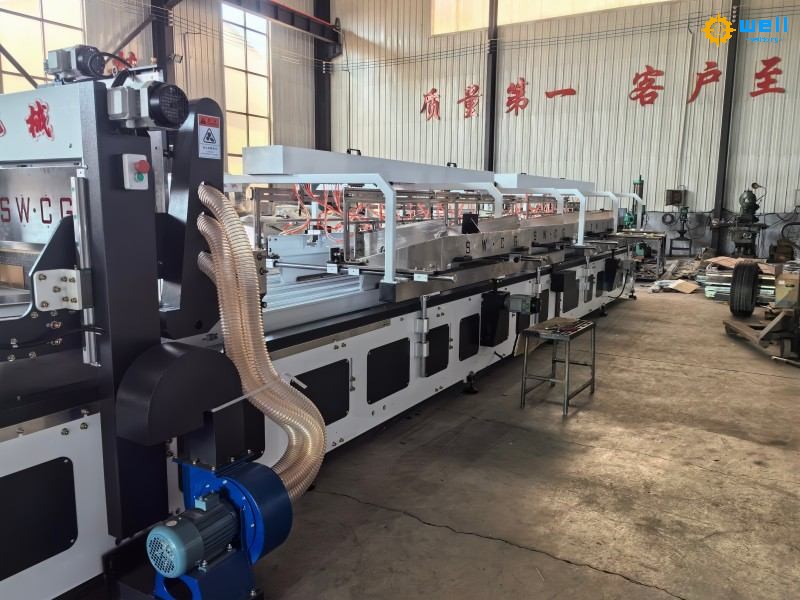
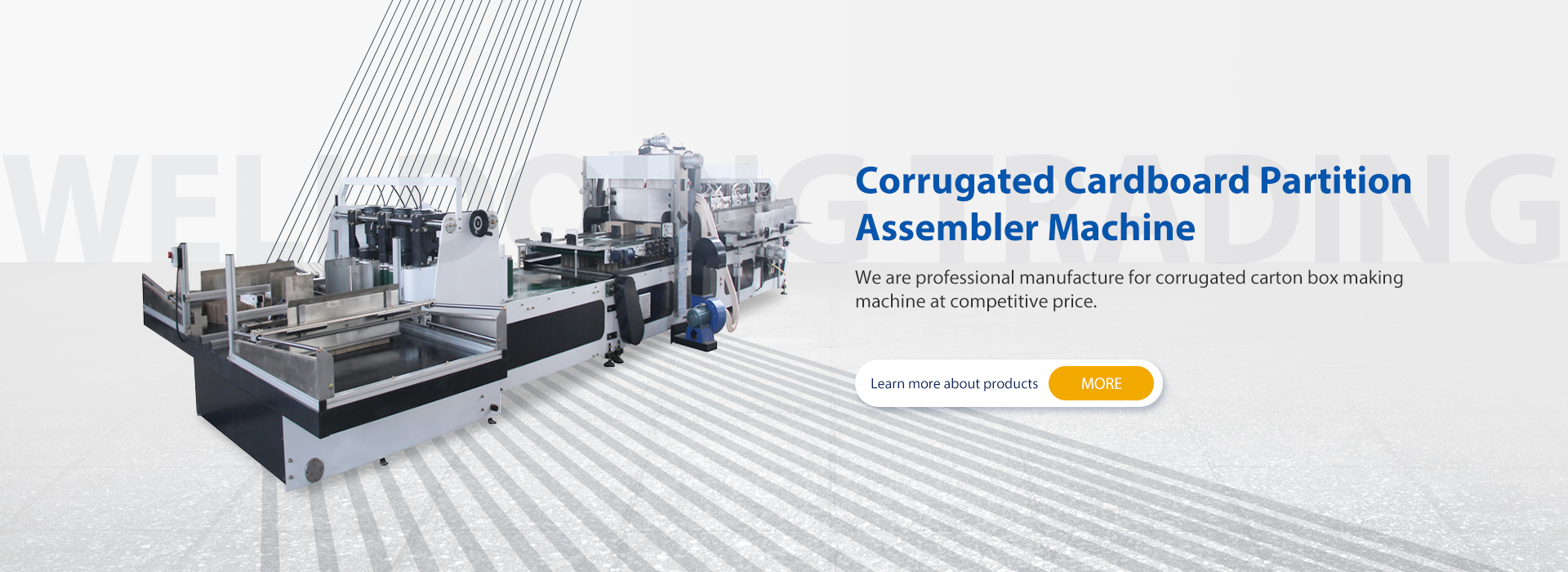
First, understand why manual partition assembly limits your production capacity. A skilled worker can only assemble a limited number of cardboard partitions per minute. Fatigue, human error and frequent size changes will further cut effective output. Misaligned slots, loose grids and broken partition sheets create rework, waste raw corrugated board and hold up downstream carton packing lines. An automatic partition assembler machine is built to solve this pain point. It automates vertical and horizontal paper feeding, slot alignment, cross insertion and finished partition stacking in one continuous cycle. With servo feeding and vacuum sheet separation, a well-adjusted partition assembly machine can deliver far higher sustained output than manual assembly, while keeping partition dimensions uniform batch after batch.
To boost partition output, start by selecting the right partition assembly machine model matching your product mix. Not all corrugated partition jobs share the same requirements. Some factories run high-volume fixed-size partitions for glass bottles, fruit packaging or electronic protective boxes; others handle frequent size changes for mixed orders. For mass production, pick a heavy-duty partition assembly machine with dual-station feeding structure. Dual-station design allows one side to feed sheets while the other discharges finished partitions, cutting idle time and lifting continuous output. If your workshop runs many custom partition sizes, prioritize a partition assembler machine with CNC quick-adjust function. Servo-controlled grid spacing, one-click parameter storage and fast tooling changeover reduce setup time from dozens of minutes to just a few minutes. Less changeover downtime directly raises overall hourly partition output. Avoid overbuying an oversized machine for small-batch orders; mismatched machine capacity will waste energy and lower equipment utilization.
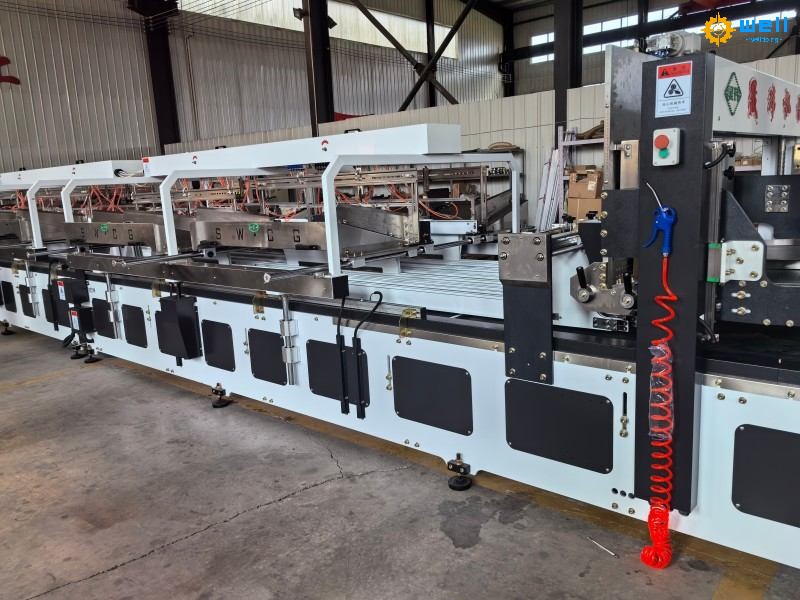
Proper machine setup and parameter calibration are critical to stable high output of your High speed automatic partition assembly machine. Many operators only focus on chasing maximum speed, but blind speed-up easily causes sheet jams, misinsertion and frequent machine alarms, which drag down net output. Start with raw material matching. Corrugated board thickness, moisture content and slot cutting quality affect feeding stability. Before running, check that slotted sheets are flat, slots are clean and burrs are removed. Adjust vacuum suction strength according to board weight: thin cardboard needs gentler suction, while heavy corrugated sheets require stronger adsorption to prevent sheet slipping. Tune servo feeding speed and insertion timing synchronously. The horizontal feeding unit and vertical feeding unit must keep pace; asynchronous movement is the top cause of jammed partitions. Run short test batches after each size change, record pass rate and cycle speed, then fine-tune parameters step by step. Stable consistent speed always beats unstable peak speed for long-shift partition output.
Integrate your partition assembly machine smoothly with upstream and downstream packaging lines to eliminate workflow bottlenecks. Even a high-speed partition assembler machine cannot reach its full potential if material supply or finished product collection falls behind. Upstream: arrange pre-slotted cardboard sheet storage racks close to the machine feeding station, organize sheets by order and avoid frequent material handling delays. You can add automatic sheet loading attachments for large-volume orders to reduce manual sheet refilling frequency. Downstream: equip the partition assembly machine with automatic stacking and counting outlets. Stacked finished partitions can feed directly to carton packing stations or palletizing stations. Without continuous collection, finished partitions pile up at the discharge port and trigger machine pause. Connect production data from the partition assembly machine to your workshop production schedule, so planners can arrange orders rationally and reduce frequent model switching within the same shift.
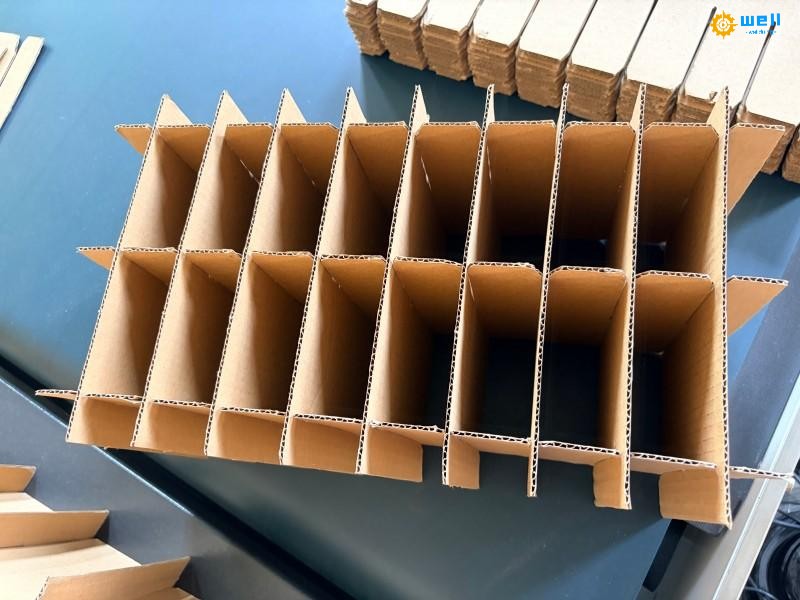
Scheduled preventive maintenance protects long-term high output of the partition assembly machine. Unexpected breakdowns are one of the biggest output killers. Create a simple daily, weekly and monthly maintenance checklist. Daily tasks include cleaning vacuum suction cups, clearing paper dust from guide rails, checking air pressure of pneumatic components and tightening loose fasteners. Weekly inspection covers servo motors, timing belts, sensor alignment and slot insertion blades. Replace worn guide blocks and feeding rollers on schedule; worn parts cause sheet deviation and rising defective partitions. Train your operators to recognize early warning signs: unusual noise, occasional sheet jams or unstable counting. Quick troubleshooting before full failure keeps your partition assembly machine running during peak production hours. Also, provide standardized operation training for every operator. Well-trained staff adjust settings correctly, handle minor alarms fast and avoid wrong operation that damages the machine or wastes cardboard.
Another practical tip to lift partition output is to standardize your partition design for the partition assembler machine. Some custom partition drawings use special slot ratios or irregular grids that force the machine to run at reduced speed. When designing new partition styles, communicate with your machine supplier to follow the machine’s compatible slot specification range. Standardized grid designs allow the partition assembly machine to run at its rated stable speed, improve the finished partition qualification rate and reduce adjustment difficulty for your team.
In conclusion, a paper cardboard partition assembly machine is the core asset to expand partition production capacity for corrugated packaging manufacturers. Higher partition output does not only come from buying a faster partition assembler machine. It comes from matching the right machine model to your order mix, precise parameter tuning, streamlined material flow, strict preventive maintenance and standardized partition design. When these elements work together, you will get steady high-speed partition production, lower labor dependency, fewer defective products and shorter lead time for your packaging orders. If you are ready to replace slow manual partition assembly or upgrade an old partition assembly machine, choose a reliable automatic partition assembler solution to unlock your packaging line’s full output potential.
Email:cartonmachine.tomwang@aliyun.com
Phone/Wechat/Whatsapp:+86 133 0307 8975
Post time: Oct-21-2026