
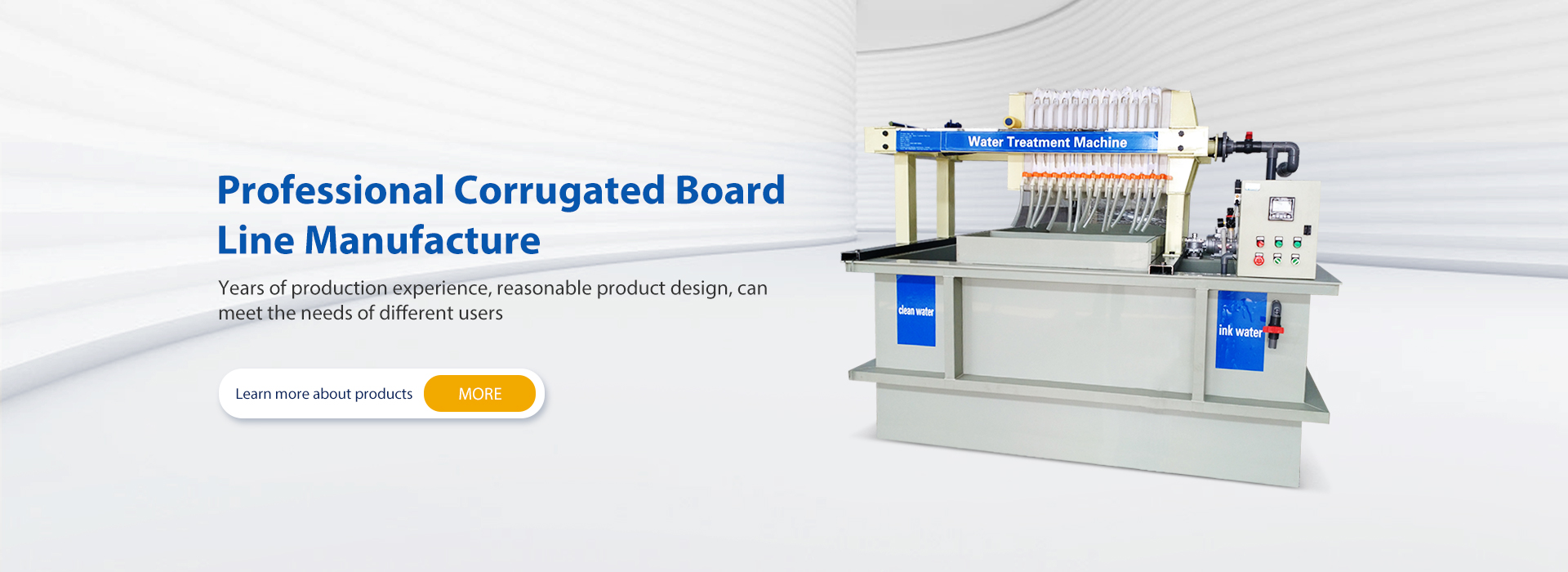
The textile printing industry faces unprecedented environmental pressure globally, as industrial printing wastewater contains complex pollutants including residual dyes, printing thickeners, chemical auxiliaries, and high-concentration organic matter. Traditional wastewater treatment equipment struggles with low purification efficiency, high energy consumption, and unstable effluent quality, failing to meet increasingly strict international environmental discharge standards. In response to the industry’s green transformation demand, the upgraded Textile printing and dyeing Sewage treatment machine has become a core intelligent water treatment device for industrial printing wastewater treatment, helping textile printing enterprises achieve standard discharge, water resource recycling, and cost reduction.
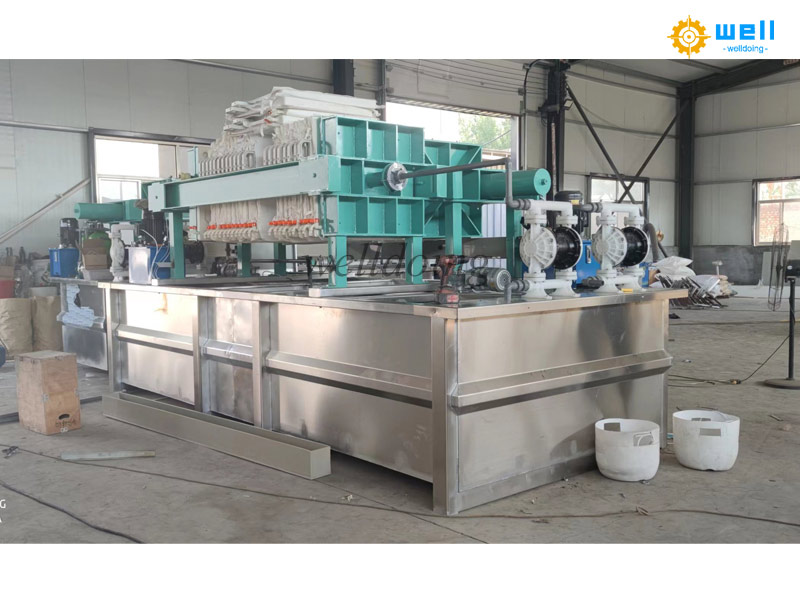
Different from general textile wastewater, industrial printing wastewater features high chroma, high COD (Chemical Oxygen Demand), fluctuating pH values, and refractory organic compounds that are difficult to degrade. Conventional sewage treatment equipment often suffers from incomplete decolorization, poor organic pollutant removal, and frequent equipment clogging, which restricts the continuous production of printing and dyeing factories. The professional Textile Printing Sewage Treatment Machine is specially customized for the pollutant characteristics of printing wastewater, integrating physical separation, micro-flocculation purification, biological polishing and precision filtration technologies to solve the pain points of traditional treatment equipment thoroughly.
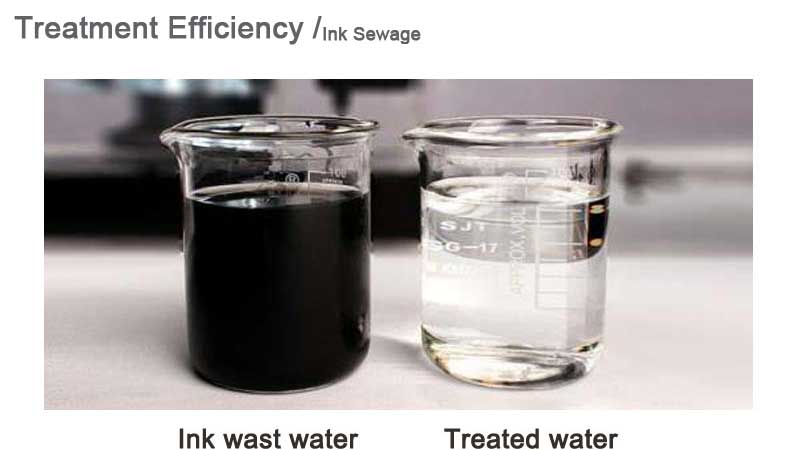
This industrial-grade Textile Printing Sewage Treatment Machine adopts an optimized micro-bubble static separation system, which can rapidly bind and separate dye colloids and suspended solids in printing wastewater within 3-5 minutes. The equipment achieves a decolorization rate of up to 95% and a COD removal rate of 90%, effectively eliminating most refractory pollutants in industrial printing wastewater. Equipped with a corrosion-resistant stainless steel body and fully sealed processing structure, the machine adapts to long-term high-load operation in harsh industrial environments, avoiding equipment aging and performance attenuation caused by long-term contact with chemical printing agents.
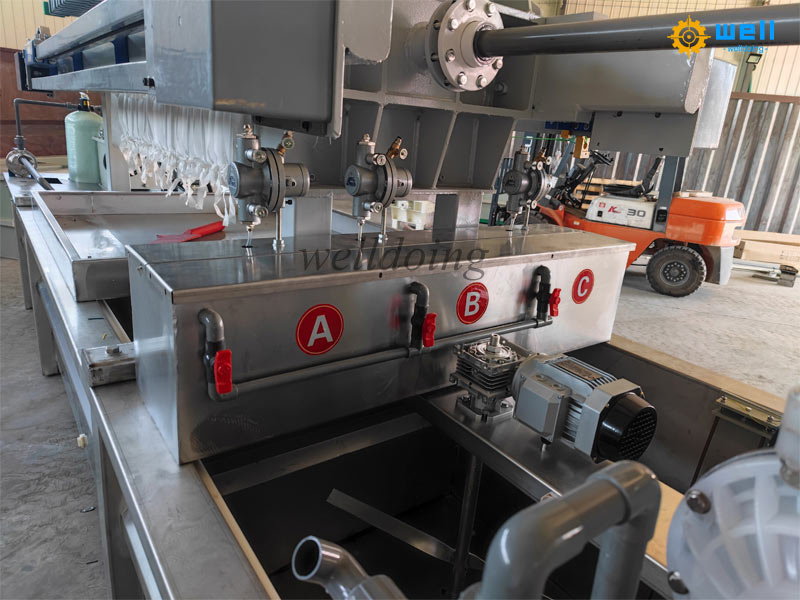
Intelligent automation is a major competitive advantage of the upgraded Textile Printing Sewage Treatment Machine. The device is equipped with an automatic water quality monitoring and operation adjustment system, which can real-timely monitor wastewater pH, chroma, and pollutant concentration, and automatically adjust dosage and operating parameters according to real-time water quality changes. This intelligent control mode reduces manual intervention, lowers labor costs, and ensures stable effluent quality 24/7, fully complying with EU textile environmental standards, international textile wastewater discharge norms, and local industrial environmental protection regulations in various regions.
Energy saving and water recycling functions make this sewage treatment equipment more suitable for large-scale industrial printing production. Compared with traditional combined sewage treatment systems, the integrated equipment reduces floor space by 40% and cuts overall operating energy consumption by 30%. The treated clean water can be directly reused for textile printing cleaning, equipment flushing, and production auxiliary water, realizing industrial water recycling. For medium and large textile printing factories, this wastewater recycling mode can save tens of thousands of tons of tap water every year, greatly reducing enterprise water use costs and environmental discharge pressure.
In the context of global dual-carbon goals and strict industrial environmental supervision, green production has become a necessary condition for textile printing enterprises to participate in international market competition. Many textile printing manufacturers in Southeast Asia, Europe, and South America have gradually eliminated backward inefficient sewage treatment equipment and replaced it with high-efficiency Textile Printing Sewage Treatment Machine units. The equipment’s stable treatment effect, low maintenance cost, and intelligent operation experience have been widely recognized in industrial printing wastewater treatment projects, covering garment printing, home textile printing, digital textile printing and other subdivision scenarios.
In terms of after-sales and industrial adaptation, the professional Textile Printing Sewage Treatment Machine supports customized capacity configuration from 50m³/day to 500m³/day, meeting the wastewater treatment needs of small, medium and large textile printing enterprises. The modular design facilitates convenient installation, maintenance, and later capacity expansion, avoiding the secondary investment waste caused by production expansion. Meanwhile, the equipment has no secondary pollution during operation, with low sludge output, which simplifies subsequent sludge treatment procedures and further reduces the overall environmental treatment cost of enterprises.
As the textile industry continues to upgrade in environmental protection and intelligence, efficient and low-carbon wastewater treatment equipment will become the standard configuration of modern textile printing factories. The upgraded textile printing sewage treatment machine for industrial printing wastewater provides a reliable, economical and green water treatment solution for the global textile printing industry. It not only solves the core problem of difficult treatment of industrial printing sewage but also helps enterprises realize green production upgrading, enhance international market competitiveness, and promote the sustainable development of the entire textile printing industry.
Email:cartonmachine.tomwang@aliyun.com
Phone/Wechat/Whatsapp:+86 133 0307 8975
Phone/Wechat/Whatsapp:+86 133 0307 8975
Post time: Sep-23-2026