
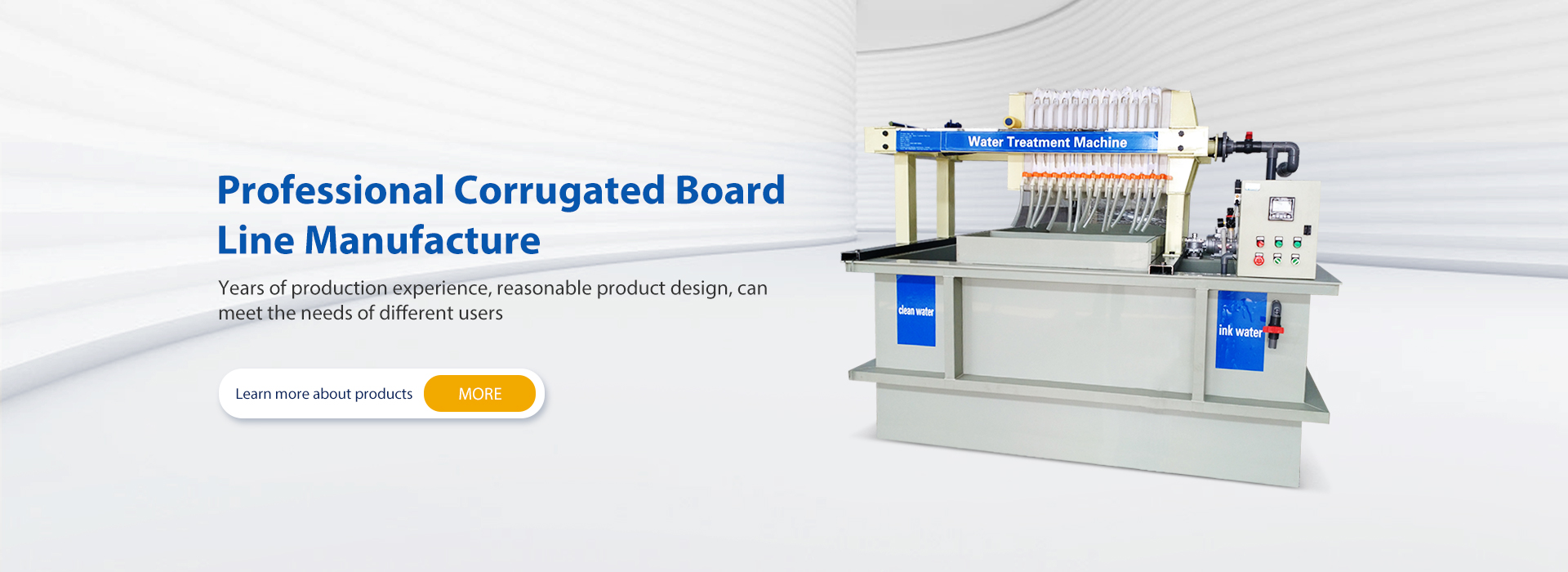
Every liter of wastewater your factory discharges is a liability — until it is treated. Environmental regulators are tightening discharge standards, water costs keep rising, and customers increasingly ask for proof of sustainable production. For plants in printing, packaging, food processing and general manufacturing, a Ink sewage treatment machine is the fastest, most reliable way to turn turbid process water into clear, compliant, reusable water.
This guide explains what a waste water treatment clear machine is, how it works, what it can achieve, and how to choose the right system for your plant.
What Is a Waste Water Treatment Clear Machine?
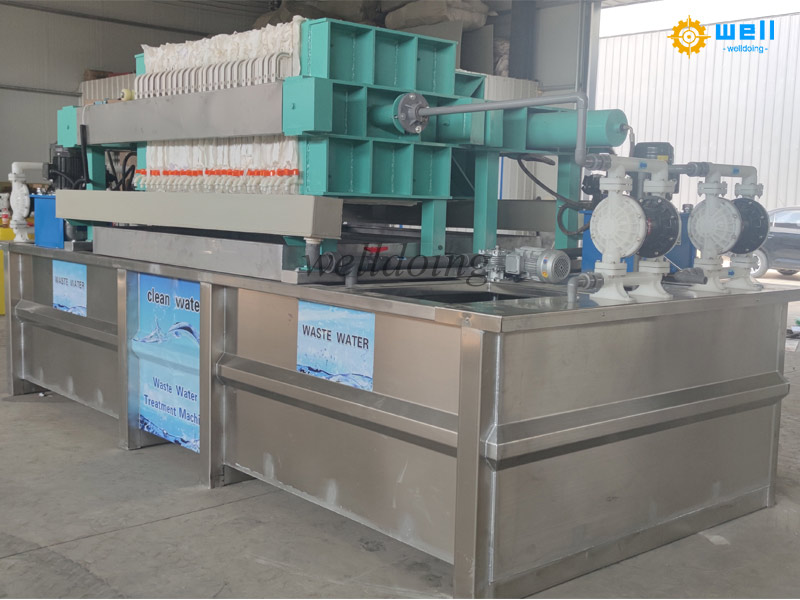
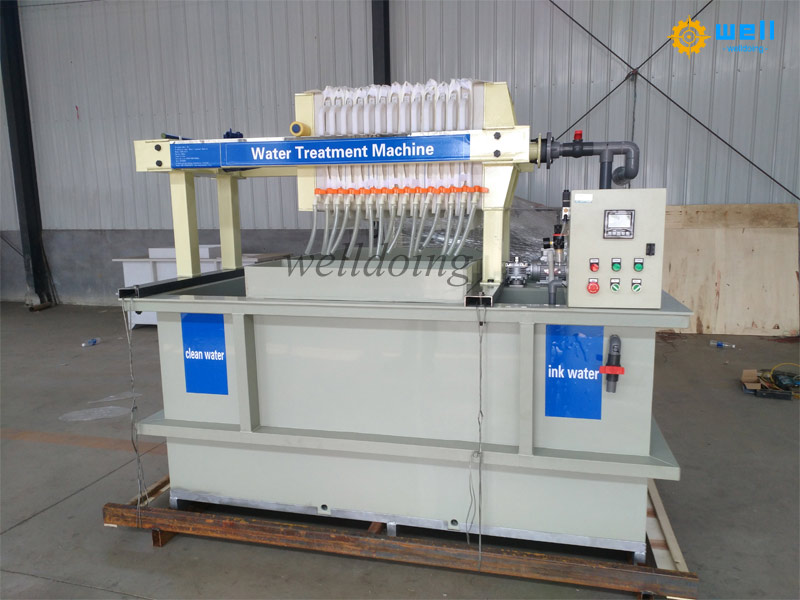
A waste water treatment clear machine is an integrated clarification system that removes suspended solids, oil, grease and other contaminants from industrial wastewater in a single automated process. It combines chemical dosing, coagulation and flocculation, solid-liquid separation, and sludge removal in one compact unit — replacing large, slow settling ponds and manual operation.
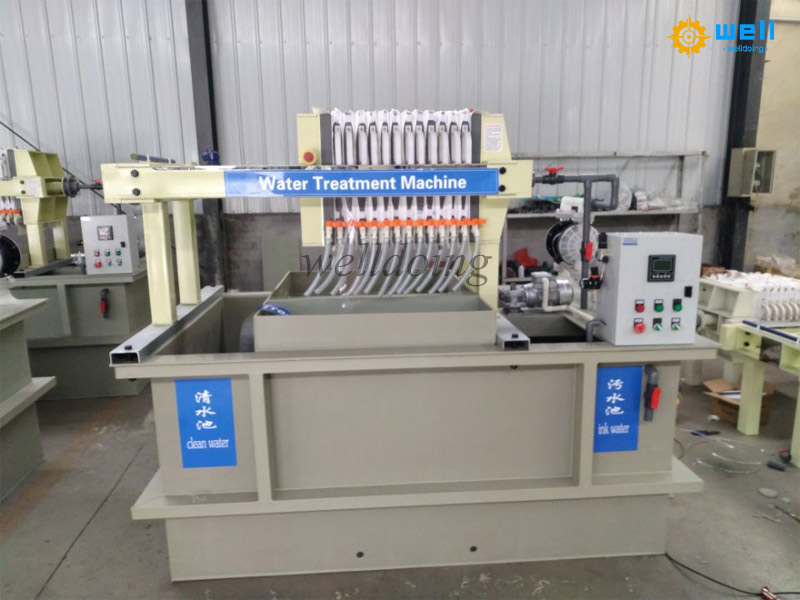
Two main technologies dominate the market:
- Sedimentation clarifiers (inclined plate / lamella) — tilted plates create a large effective settling area in a small footprint, letting heavy solids settle quickly to the bottom
- Dissolved air flotation (DAF) clarifiers — millions of micro-bubbles (10–100 microns) attach to suspended particles and lift them to the surface, where a scraper removes the sludge
Many modern machines combine both principles or operate in “coagulation + flocculation + separation” mode, giving stable output even when influent quality fluctuates.
How Does It Work?
The waste water treatment clear machine process inside a waste water treatment clear machine follows a proven sequence:
- Inlet and dosing — wastewater enters the reaction chamber, where coagulant (such as PAC or ferric chloride) is automatically dosed to neutralize particle charges
- Flocculation — polymer is added under gentle mixing to bind particles into larger, denser flocs
- Separation — flocs are removed by settling (lamella plates) or flotation (micro-bubbles), leaving clear water
- Sludge removal — concentrated sludge is scraped out automatically and dewatered or disposed of
- Clear water outlet — treated water exits for discharge or reuse in production
An automatic dosing system and PLC control adjust chemical feed according to real-time turbidity and flow, so water quality stays consistent without constant manual intervention.
Key Benefits
1. Compliance made simple. A properly sized waste water treatment clear machine reliably removes suspended solids, keeping effluent within local discharge limits and protecting your plant from fines and shutdown orders.
2. Water reuse — lower operating cost. Clarified water can be recycled back into washing, cooling or rinsing processes, cutting freshwater consumption and discharge fees at the same time.
3. Compact footprint. Inclined-plate and DAF designs deliver high hydraulic loading in a fraction of the space of conventional settling ponds — critical for plants with limited floor area.
4. Automatic and stable. PLC-controlled dosing and separation produce consistent water quality, and reduce operator workload and chemical waste caused by manual dosing errors.
5. Fast return on investment. Between lower water bills, reduced discharge costs and avoided penalties, most systems pay for themselves within a short operating period.
Why automation matters now. Across Asia, Europe and North America, discharge permits are being enforced more strictly than ever, and water-intensive industries face rising tap-water and effluent charges. An automated clarification machine removes the human error that causes most compliance failures: manual dosing mistakes, overflows during peak hours and inconsistent sludge removal. When the system runs itself, the result is predictable — and predictable compliance is what regulators and buyers want to see.
Clarifier Machine vs. Conventional Settling Pond
表格
| Factor | Conventional settling pond | Automatic waste water treatment clear machine |
|---|---|---|
| Footprint | Large, open area | Compact, tank-mounted |
| Treatment time | Hours to days | Minutes |
| Water quality | Variable, weather-dependent | Stable, automated |
| Operator input | High | Minimal |
| Sludge handling | Manual removal | Automatic scraping |
| Compliance risk | High | Low |
Typical Technical Performance
Typical performance ranges for industrial clarification equipment (actual figures depend on the model and influent quality):
- Suspended solids (SS) removal rate: up to 99.9%
- Effluent SS: 5–30 mg/L
- COD removal: 40–70%
- Treatment capacity: from a few m³/h to hundreds of m³/h
Typical Applications
A waste water treatment clear machine is widely used in:
- Printing and packaging plants (ink and starch wastewater)
- Paper and corrugated board factories
- Food and beverage processing
- Electroplating and metal finishing
- Chemical and pharmaceutical manufacturing
- Municipal and industrial pretreatment plants
A natural fit for printing and packaging plants. Printing shops and corrugated board factories generate ink-laden rinsing water and starch-based adhesive wastewater that are notoriously difficult to treat. A properly configured waste water treatment clear machine handles both: coagulant breaks the ink emulsion, while flocculation and separation capture starch solids — producing clear water that can be reused for washing anilox rollers, glue pots and floors.
How to Choose the Right Machine
Before buying, confirm these six points:
- Flow rate — match the machine’s hourly capacity to your peak wastewater volume
- Influent characteristics — solid load, oil content and pH determine whether you need a sedimentation or DAF clarifier
- Effluent target — local discharge limits or reuse requirements define the treatment level needed
- Dosing system — automatic dosing with adjustable pumps gives consistent results and lower chemical cost
- Materials — stainless steel or FRP tanks resist corrosion from chemicals and abrasive solids
- After-sales support — installation, commissioning, training and spare parts availability
FAQ
What is the difference between a DAF and a lamella clarifier? A lamella clarifier uses tilted plates to make solids settle faster; a DAF uses micro-bubbles to float solids to the surface. DAF is better for oily, greasy or light-particle wastewater; lamella suits heavy suspended solids.
Can the treated water be reused? Yes. Depending on the effluent quality required, clarified water can be reused for washing, cooling and rinsing — reducing freshwater consumption and discharge fees.
How much space does it need? Most industrial clarifier machines are tank-mounted and need only a fraction of the space of conventional settling ponds. Exact dimensions depend on capacity.
Does it need full-time operators? No. PLC control and automatic dosing allow one operator to supervise several systems. Routine checks and sludge removal are the main daily tasks.
Conclusion
A wastewater treatment machine converts an environmental burden into a production advantage: compliant discharge, reusable water, lower costs and a cleaner reputation. Whether you run a printing plant, a packaging factory or any water-intensive operation, the right clarifier pays for itself — and protects your license to operate.
If you are evaluating a waste water treatment clear machine for your site, contact our team for specifications, a process recommendation and a tailored quotation.
Email:cartonmachine.tomwang@aliyun.com
Phone/Wechat/Whatsapp:+86 133 0307 8975
Post time: Sep-17-2026