
If you run a food processing plant, you already know that stable, compliant wastewater handling is one of your biggest operational challenges. Choosing the right food processing waste water treatment clear machine directly decides whether you can meet local discharge standards, avoid fines, cut water costs, and protect your brand reputation. Many food factory owners search online for food processing wastewater treatment machine, food factory sewage treatment equipment, compact wastewater treatment system for food processing and food industry effluent treatment machine, trying to find a reliable, low-maintenance solution that matches their production scale. This guide breaks down what makes a good food processing wastewater treatment machine, compares mainstream technologies, and explains why integrated modular systems are the top pick for most food processing facilities today.
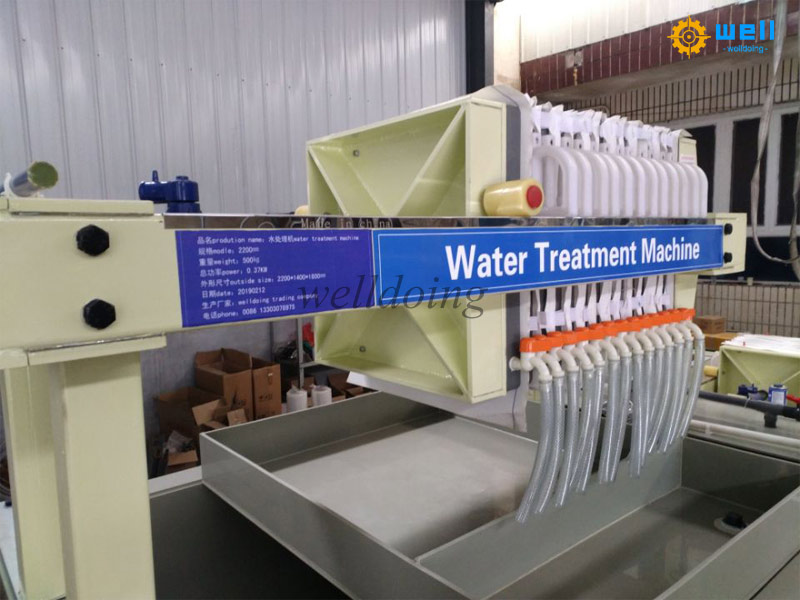
Food processing wastewater is very different from regular domestic sewage. Wastewater generated from meat processing, dairy, fruit and vegetable washing, snack production, canned food, bakery and beverage lines carries high COD, BOD, fats, oils and grease (FOG), suspended solids, proteins, starch and nitrogen and phosphorus nutrients. It decomposes quickly, creates unpleasant odors, and its water volume and pollutant concentration fluctuate sharply as production shifts start and stop. A generic wastewater machine will easily clog, lose treatment efficiency, produce excess sludge and fail discharge tests. That is why food plants cannot simply buy a standard sewage machine; they need a food processing wastewater treatment machine specially designed for high organic, grease-heavy and variable-load food effluent.
Before selecting your food processing wastewater treatment machine, you need to clarify several core factors. First, confirm your daily water output: small food workshops may only need 5–20 m³ per day, while medium and large meat, dairy or canned factories can reach 50–500 m³ daily. Second, check your local environmental discharge limits. Some regions require strict nitrogen and phosphorus removal, and some allow treated water reuse for site cleaning, floor washing and irrigation. Third, evaluate your site space. Many food factories have limited land beside production workshops, so a bulky concrete tank system is not feasible. Fourth, calculate long-term running costs, including power consumption, chemical dosage, sludge disposal and routine maintenance labor. All these points will decide which food processing wastewater treatment machine fits you best.

There are several common technologies used inside a food processing wastewater treatment machine. DAF dissolved air flotation units are essential pretreatment modules. DAF removes most floating grease, fine suspended solids and particulate COD rapidly, protecting the follow-up biological unit from grease fouling and blockage. For the core biochemical stage, MBBR moving bed biofilm reactor and MBR membrane bioreactor are the two most popular options in modern food processing wastewater treatment machine designs. MBBR systems use suspended biofilm carriers, hold abundant microorganisms, resist impact load well, produce less sludge and consume less power. It works reliably for most vegetable processing, snack and small meat plants. MBR food processing wastewater treatment machine uses ultrafiltration membranes to replace traditional sedimentation tanks, delivering ultra-clear outlet water with very low TSS. It is ideal when you plan water reuse or face extremely strict discharge standards, though membrane cleaning and replacement bring slightly higher operating expenses.
Compared with separate scattered tanks, the integrated packaged food processing wastewater treatment machine stands out as the best all-round choice for the majority of food plants. This integrated food processing wastewater treatment machine combines mechanical screening, DAF oil separation, biochemical reaction, sedimentation, disinfection and automatic control inside one compact steel container. It is pre-assembled and tested in the factory. After delivery, users only need to connect the inlet pipe, outlet pipe, power supply and sludge pipe, and it can start operation within a short time, saving huge civil construction investment and construction period. The whole food processing wastewater treatment machine runs automatically with PLC control; it can adjust aeration and dosing according to water quality changes, reduce manual supervision, and send alarm signals when abnormal pressure or water level appears.
This modular food processing wastewater treatment machine also brings strong scalability. When your food plant expands production and wastewater flow increases, you can add extra modules in parallel instead of replacing the whole set of food processing wastewater treatment machine. This avoids over-investment at the early stage and matches your business growth rhythm. Hygiene design is another key advantage for food factories. The main body adopts anti-corrosion epoxy coating or stainless steel options, easy to flush and clean, reduces sludge buildup and odor leakage, and will not bring secondary pollution risks to your food production area.
Many buyers ask: can one food processing wastewater treatment machine suit all food sectors? The answer is no. A dairy or slaughterhouse wastewater carries much higher FOG and protein, so the food processing wastewater treatment machine needs enhanced DAF pretreatment and anaerobic hydrolysis units. Fruit juice and sugar processing wastewater has high sugar content and fast acidification, requiring pH online monitoring and buffer adjustment. Vegetable washing wastewater has plenty of fiber suspended solids, so thicker bar screens and pre-sedimentation are necessary. Professional suppliers will customize the internal configuration of the food processing wastewater treatment machine after collecting your water quality test report and production data, rather than selling a fixed universal model.
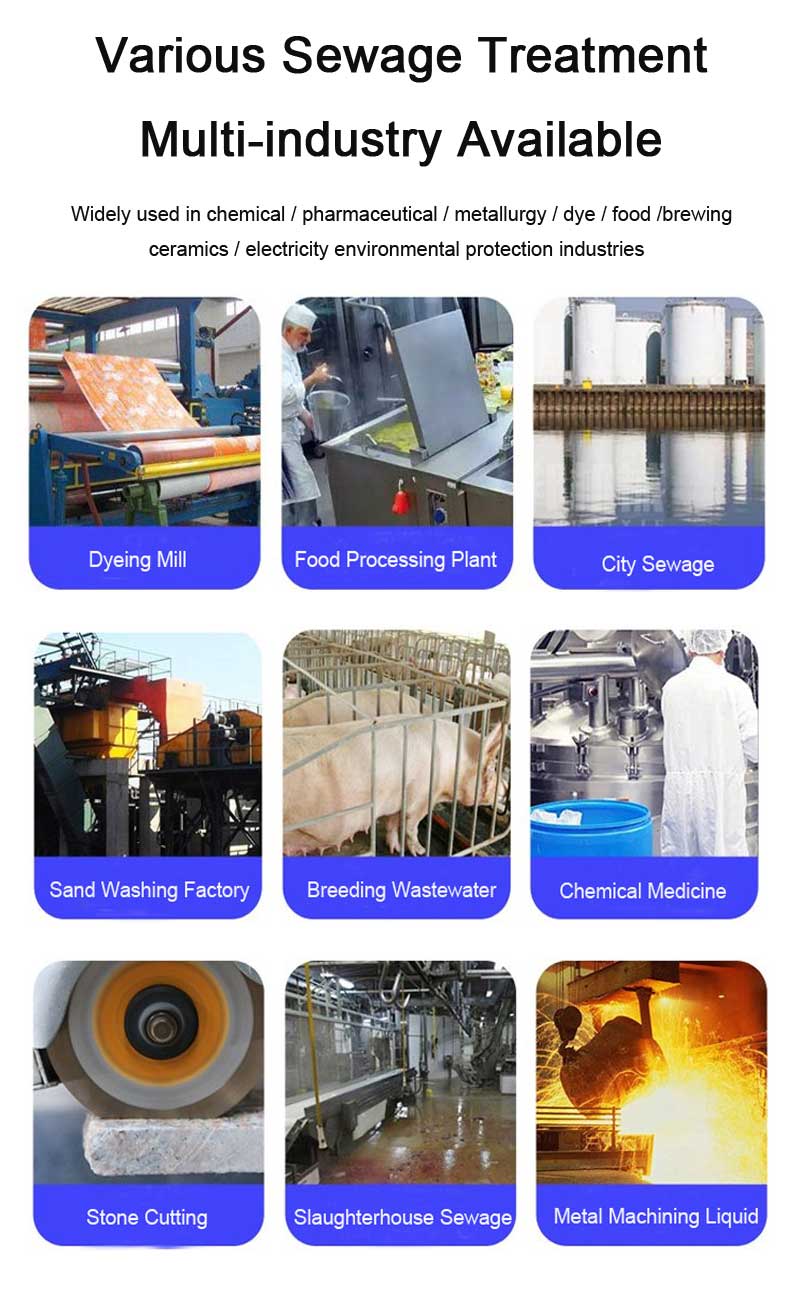
The return on investment of a qualified food processing wastewater treatment machine is attractive. On one hand, it keeps your factory compliant, eliminating heavy environmental penalties and production shutdown risks. On the other hand, if equipped with a tertiary filtration module, the outlet water can be recycled, cutting fresh water purchase costs significantly. Proper treatment also reduces sludge volume, lowering the cost of sludge transportation and disposal. In the long run, a durable food processing wastewater treatment machine protects your factory’s green certification and helps you win more orders from customers who value sustainable supply chains.
When you compare suppliers for your food processing wastewater treatment machine, do not only focus on the lowest price. Check the material thickness, membrane brand, aerator quality, automatic control system, after-sales service and on-site installation guidance. A cheap food processing wastewater treatment machine with poor workmanship will suffer frequent faults, unstable outlet water and short service life, costing you far more trouble and money later. Reliable manufacturers provide complete operation manuals, remote guidance and regular maintenance reminders, helping your team master the food processing wastewater treatment machine quickly.
To sum up, the best food processing wastewater treatment machine for food plant is the integrated modular wastewater treatment system customized according to your wastewater flow, pollutant features, site space and local discharge requirements. For small and medium food factories, the MBBR-based integrated food processing wastewater treatment machine balances efficiency, budget and maintenance perfectly. If you need water recycling or ultra-strict emission, select the MBR version food processing wastewater treatment machine. No matter which type you pick, always make sure your food processing wastewater treatment machine includes solid grease and suspended solids pretreatment, stable biochemical degradation and reliable disinfection.
Investing in a suitable food processing wastewater treatment machine is not merely an environmental expense. It is a core infrastructure that supports stable, sustainable food manufacturing. If you are looking for a trusted food processing wastewater treatment machine for your dairy, meat, fruit, vegetable or snack plant, share your daily water capacity and water quality index, and we can provide a tailored solution and quotation for your food factory wastewater treatment project.
Email:cartonmachine.tomwang@aliyun.com
Phone/Wechat/Whatsapp:+86 133 0307 8975
Post time: Oct-26-2026