
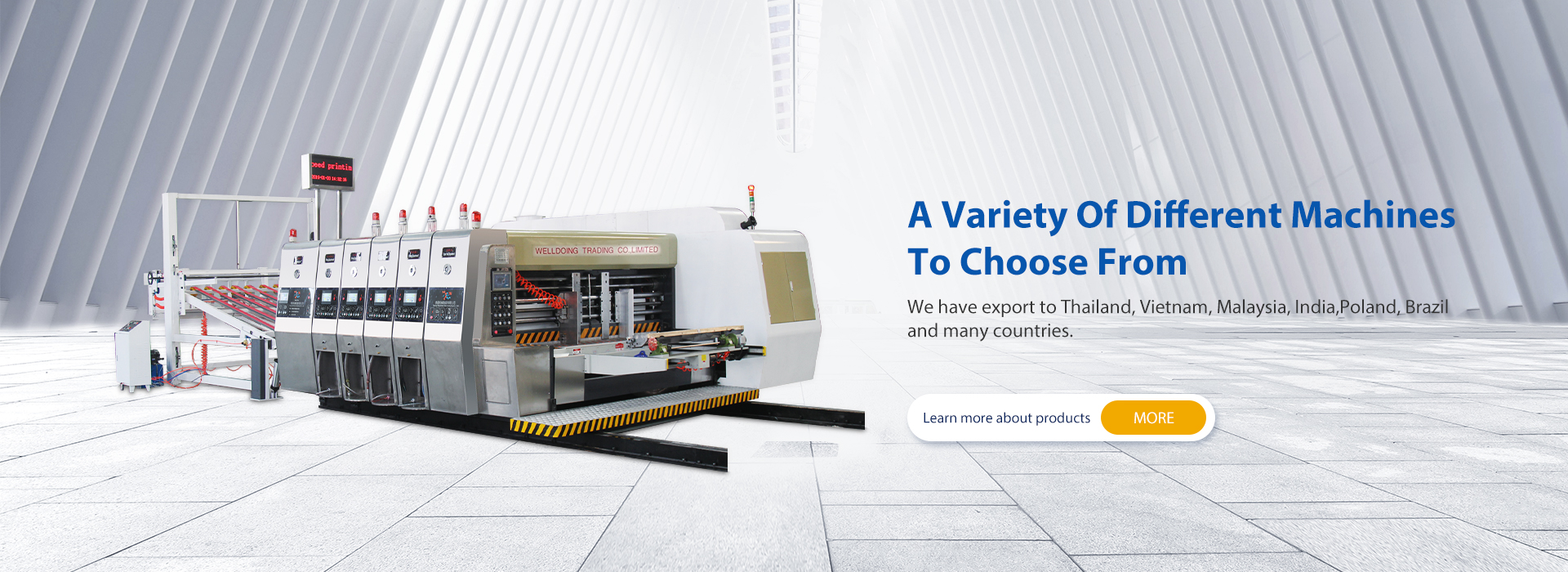
If your corrugated packaging plant struggles with inconsistent print registration, frequent double feeds, high board waste, and slow order changeovers, upgrading to a Lead edge printer slotter die cutter machine may be the most impactful upgrade for your converting workflow. As corrugated box buyers demand sharper flexo graphics, tighter dimensional tolerances, faster turnaround, and lower per-unit cost, traditional rear-feed and chain-fed printer slotter die cutters are hitting clear performance limits. A lead edge feed printer slotter die cutter redefines inline corrugated converting by locking sheet position from the leading edge, stabilizing the entire printing, slotting, creasing and rotary die-cutting sequence in one continuous pass. This article breaks down the unique engineering advantages, production ROI, and real-world use cases that make the lead edge printer slotter die cutter machine the preferred core equipment for modern high-efficiency corrugated box lines.
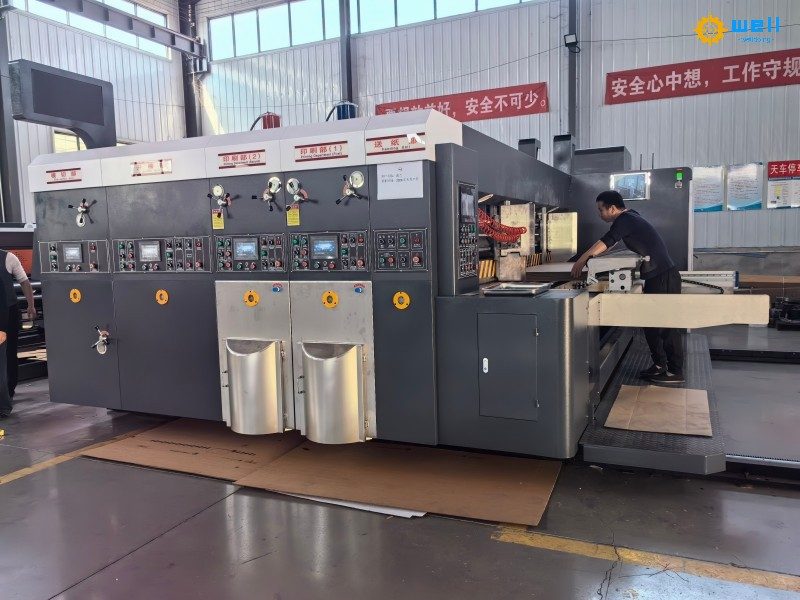
At the heart of its performance lies the lead edge vacuum feeding system, the key difference separating this machine from conventional corrugated converting equipment. Traditional friction or rear suction feeders grab corrugated sheets from the bottom or rear side, which creates common pain points: warped E-flute, B-flute and double-wall boards skew easily, thin liner boards suffer surface scuffs, double sheets slip into the printing unit, and print-to-die-cut registration drifts as speed fluctuates. The lead edge feeder locates and holds the front edge of each sheet before transfer, using segmented vacuum zones and servo-controlled feed rollers to square every sheet before it enters the print stations. It does not rely on friction across the printed face, so board surface integrity stays protected, and registration stays locked even when running mixed batches of slightly warped, recycled-content corrugated sheets. For packaging factories handling random incoming board quality, this single design choice directly cuts scrap rates that eat away profit margins.
Precision registration is the biggest selling point for any automatic flexo printing slotting die cutting machine, especially for brands requiring high-definition flexo printing, barcodes, QR codes, fine text and matched die-cut contours. Every station — flexo printing unit, scoring and slotting section, rotary die cutter — runs on synchronized servo drives linked by closed-loop position feedback. Once the leading edge is registered, the sheet travels through the whole machine on a timed path, so print, crease, slot and die cut align consistently from the first sheet to the last sheet of the run. Many older printer slotter die cutters see registration drift at higher speeds, forcing operators to slow production and waste test sheets to re-align plates and dies. The lead edge feed design maintains stable overprint tolerance at rated running speed, which means you can run longer orders at full speed without sacrificing print quality. For food packaging, e-commerce shipping boxes, retail display cartons and custom printed corrugated packaging, reliable registration reduces rejected finished boxes and protects your reputation with brand customers.
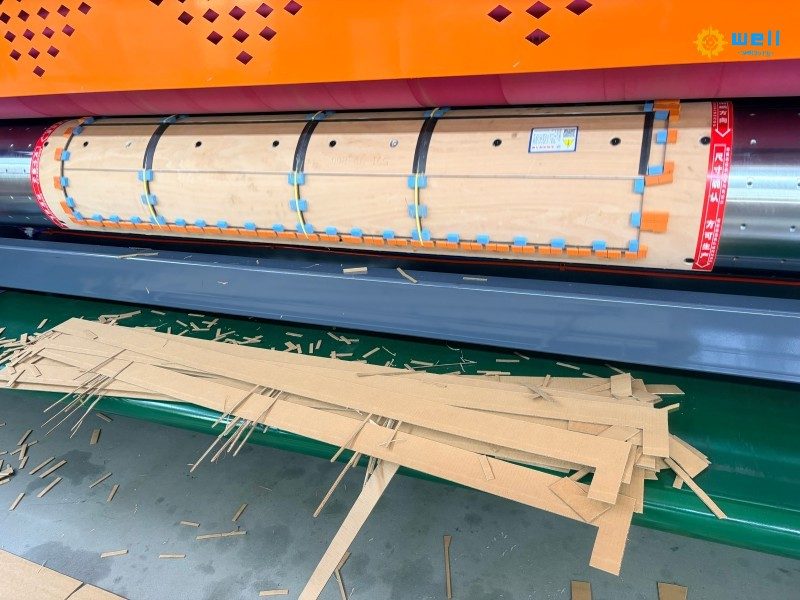
Another underrated advantage of the lead edge printer slotter die cutter machine is its versatility across corrugated grades and box sizes. Many packaging lines handle a wide mix: micro E-flute gift boxes, single-wall shipping cartons, heavy double-wall industrial boxes, narrow small blanks and large-format display boards. The adjustable vacuum airflow, independent servo feed control and front stop positioning system adapt automatically to thin, soft, stiff or uneven corrugated stock. It handles short blank sizes that often jam on chain-fed machines, while also feeding large sheets without skewing. This flexibility is gold for job-shop corrugated converters that run dozens of different SKUs each day, mixing small-batch custom orders and bulk stock box jobs. Instead of splitting production across multiple machines or running problematic boards slowly, one lead edge feed printer slotter die cutter covers most of your standard converting workload, simplifying your factory layout and reducing redundant equipment investment.
Speed and changeover efficiency are critical KPIs for today’s corrugated box production line, and this is where the lead edge printer slotter die cutter delivers measurable ROI. The integrated all-in-one workflow completes feeding, flexo printing, creasing, slotting and rotary die cutting inline. It eliminates separate offline die cutting, secondary slotting and manual repositioning stations that add labor hours, handling damage and queue delays between processes. Modern models feature a large touchscreen PLC control with stored job memory: box dimensions, print phase, slot positions, die cut offset and vacuum settings save for every SKU. When switching orders, operators recall the recipe with one tap, and the machine auto-zeroes and adjusts motorized settings without manual re-calibration. Quick-change anilox rolls, fast-lock printing plates and modular die mounting further cut makeready time. For factories that previously spent 20–40 minutes changing over on old machines, trimming changeover time directly boosts usable production hours every shift and lowers labor cost per thousand boxes.
Material savings and reduced board crush are also core benefits built into the lead edge feed printer slotter die cutter machine. Because feeding force concentrates on the leading edge rather than squeezing the board face with heavy friction rollers, flute crush and liner damage drop noticeably. Less crushed corrugated means finished boxes retain their stacking strength, which is essential for logistics and heavy-load packaging. Stable feeding also reduces double-feed, missed-feed and skewed-sheet rejects. In many mid-sized corrugated plants, scrap from misfed or misregistered boards accounts for several percent of raw material consumption; switching to lead edge feeding can cut that waste significantly over a year of continuous operation. Combined with variable-frequency drive main motors and optimized blower controls, the machine also runs with lower average power draw compared to outdated mechanical printer slotter die cutters, bringing down energy bills for high-volume lines.
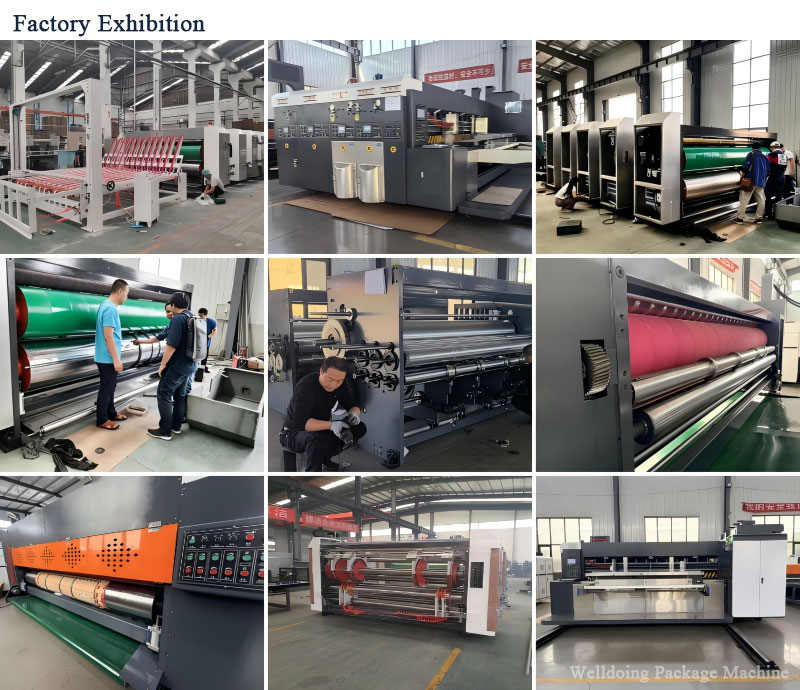
Operational safety and ease of maintenance are engineered into the latest lead edge printer slotter die cutter machine designs, solving common operator complaints on legacy equipment. Full machine safety interlocks, emergency stop zones, guarded rotary die sections and visual fault alarm prompts keep your team protected during daily runs and cleaning cycles. The centralized control interface reduces guesswork for new operators, while built-in self-diagnostics flag vacuum blockages, servo synchronization errors and ink supply issues before they create a pile of defective boxes. The transmission system uses precision-hardened alloy gears for long service life, and key wear parts like feed belts, die cutting cushions and doctor blades are designed for fast replacement without major disassembly. Less downtime for breakdowns and simpler routine maintenance keep your corrugated box line running reliably during peak order seasons.
Naturally, the lead edge feed printer slotter die cutter is not the right fit for every converter. If you only run extremely long, low-print simple boxes at low speed and rarely change jobs, a basic chain-fed printer slotter may meet your needs. But for the majority of corrugated manufacturers chasing higher margins, this machine targets the main bottlenecks in modern packaging: quality consistency, fast mixed-order production, low waste and scalable automation. It scales smoothly as your business grows; you can start with 2–3 color models and later expand to 4-color or 6-color configurations for premium printed packaging, matching your investment pace to your order portfolio.
When comparing suppliers, always evaluate the feeder vacuum uniformity, servo synchronization architecture, registration repeatability data, after-sales support and spare parts availability alongside price. A low-cost lead edge printer slotter die cutter machine with poor vacuum balance will still suffer skewing and registration issues, erasing the core advantages of lead edge technology. Focus on machines engineered specifically for continuous corrugated converting, not lightly modified general carton equipment.
In summary, the carton flexo printer die cutter slotter machine is more than an upgraded feeder option. It is a foundational upgrade that reshapes the stability, flexibility and profitability of your entire corrugated box line. By locking sheet alignment at the leading edge, it delivers reliable high-speed registration across tricky board stock, slashes scrap and changeover time, cuts manual handling steps and supports the diverse printed box demands of e-commerce, food, industrial and retail packaging customers. If your corrugated plant wants to lift finished box quality, increase daily output and build a more resilient converting workflow, integrating a lead edge feed printer slotter die cutter is one of the most strategic equipment decisions you can make.
Email:cartonmachine.tomwang@aliyun.com
Phone/Wechat/Whatsapp:+86 133 0307 8975
Post time: Nov-23-2026